
Little Food Pantry Project
Inspiring Change:
How it started:
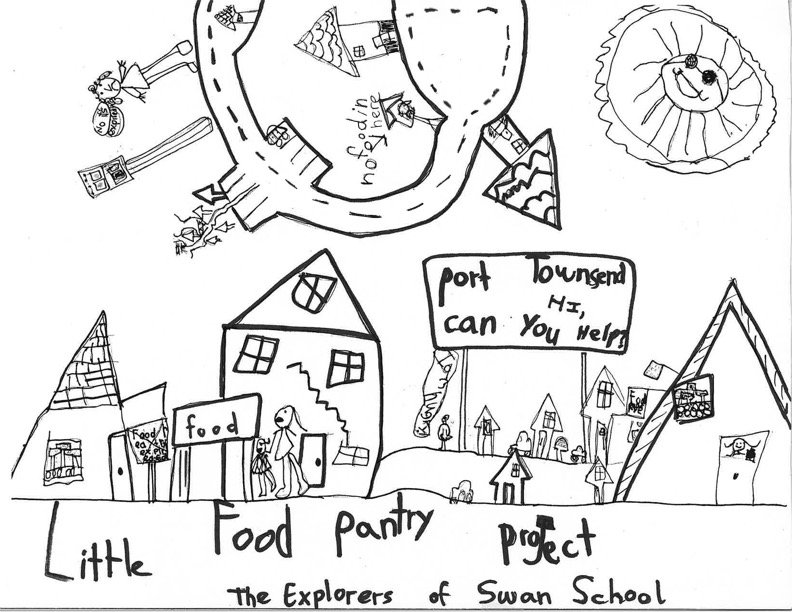
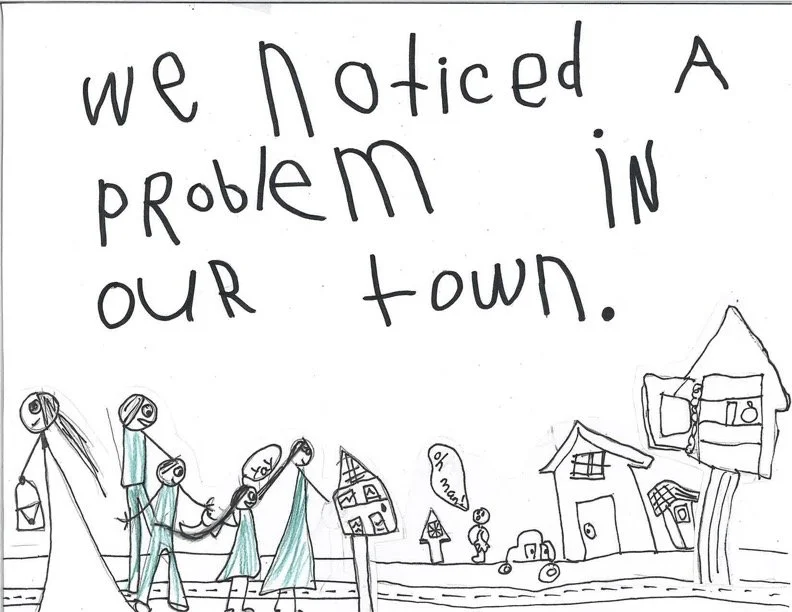
This year, the Explorers class (Kindergarten/1st grade) has spent time learning about the importance of community and compassion. Each year, the Explorers class organizes our school's annual food drive for the Food Bank. During this time, we had important conversations about food insecurity, community resources and where people can go when they need support. Students noticed that Port Townsend doesn’t have many Little Food Pantries to help make food more accessible.
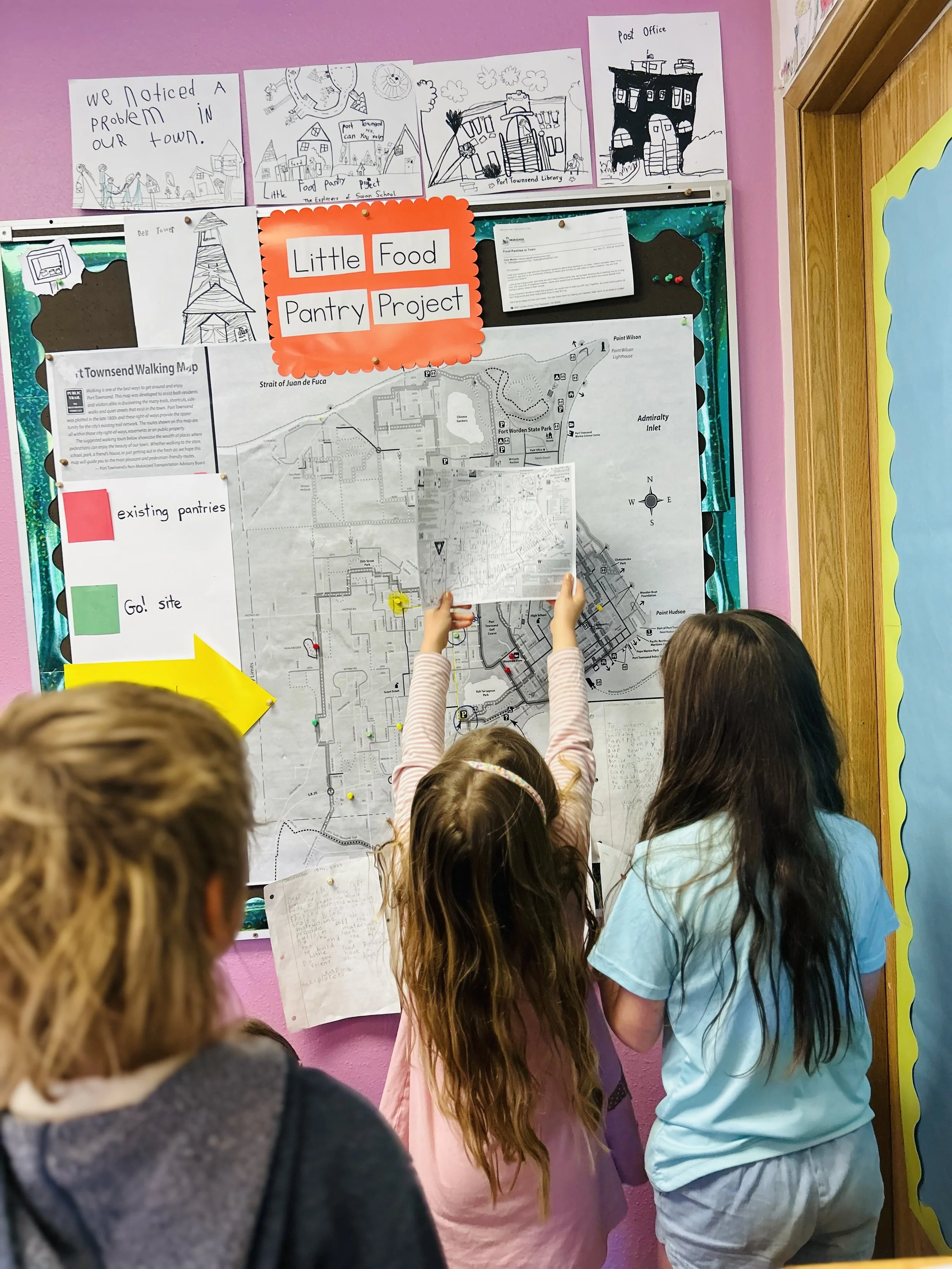
After talking with families and other students, we realized that very few people know where the existing food pantries are located. The Explorers took this observation and collectively developed the idea to create a map of Port Townsend showing all the free pantries - and then determine how many more pantries we might need to build.
As part of their plan, we posted their letters to online community forums to gather the information we need before moving forward with planning and construction. They also wrote a letter to the Mayor to inquire about building regulations on city property and hand delivered to the Post Office.
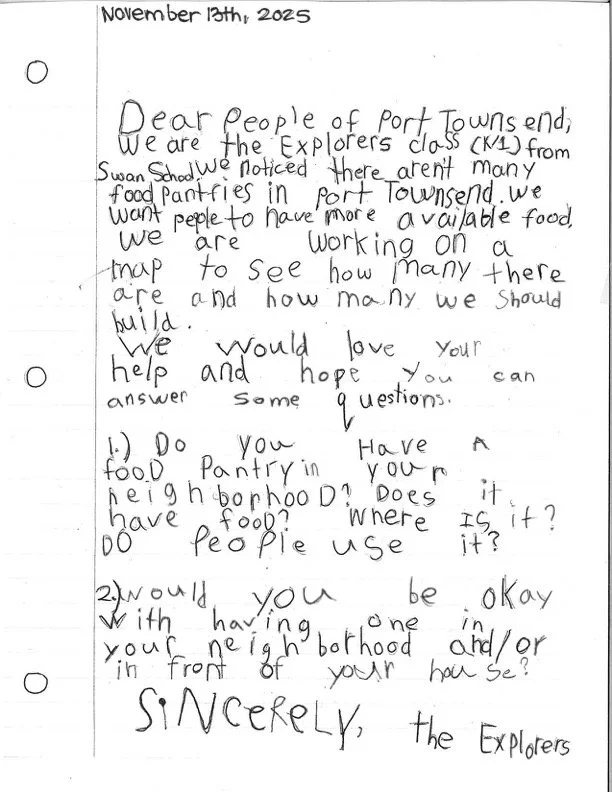
After mapping the seven existing pantries in our community, we identified areas in Port Townsend where additional support was needed. Students wrote letters to those neighborhoods to help build connections and raise awareness. They also brainstormed potential builders in the community and explored creative ways to raise funds for materials. Using a Little Food Pantry template, we researched construction costs and developed a detailed list of supplies needed for each pantry.
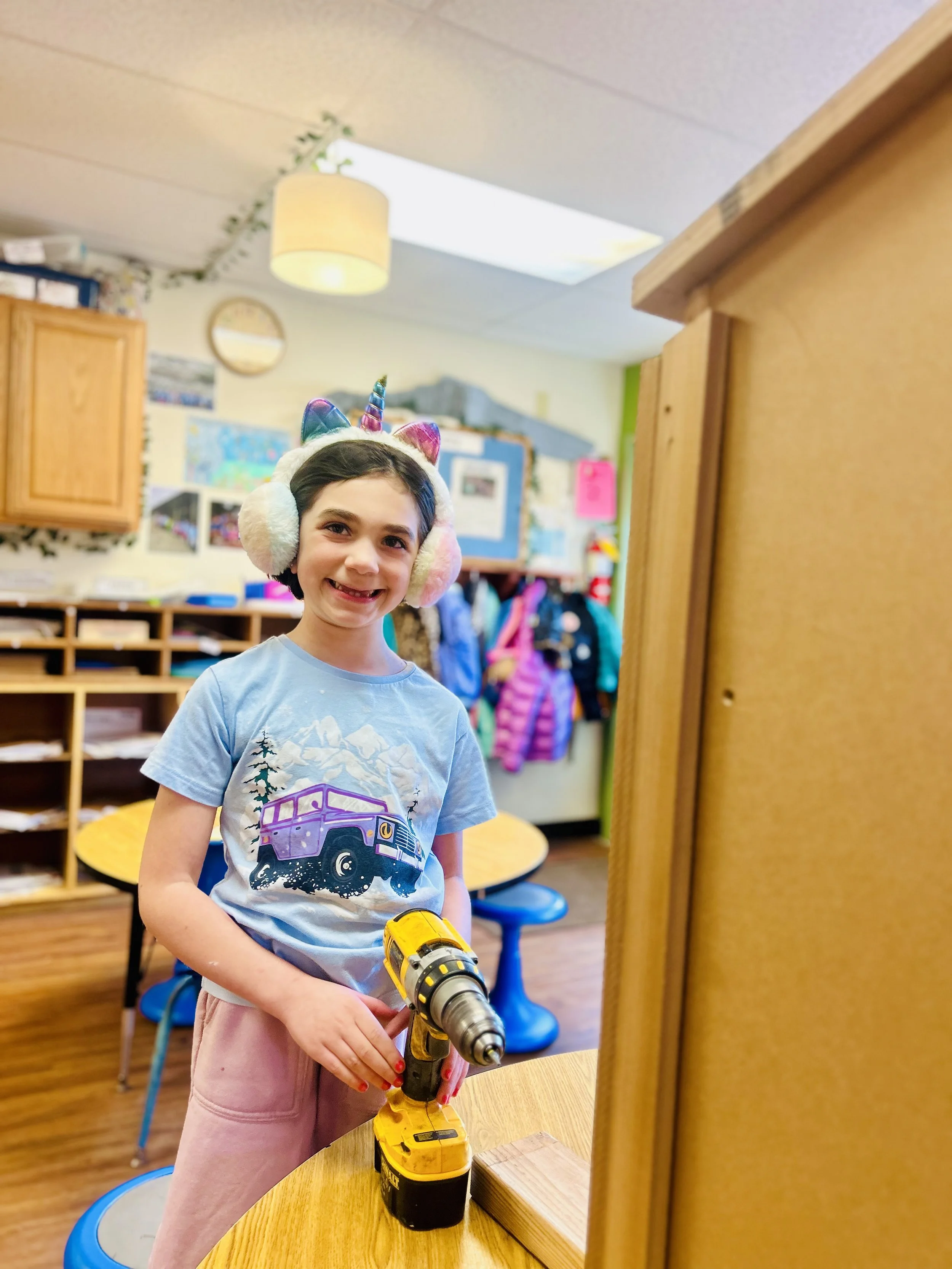
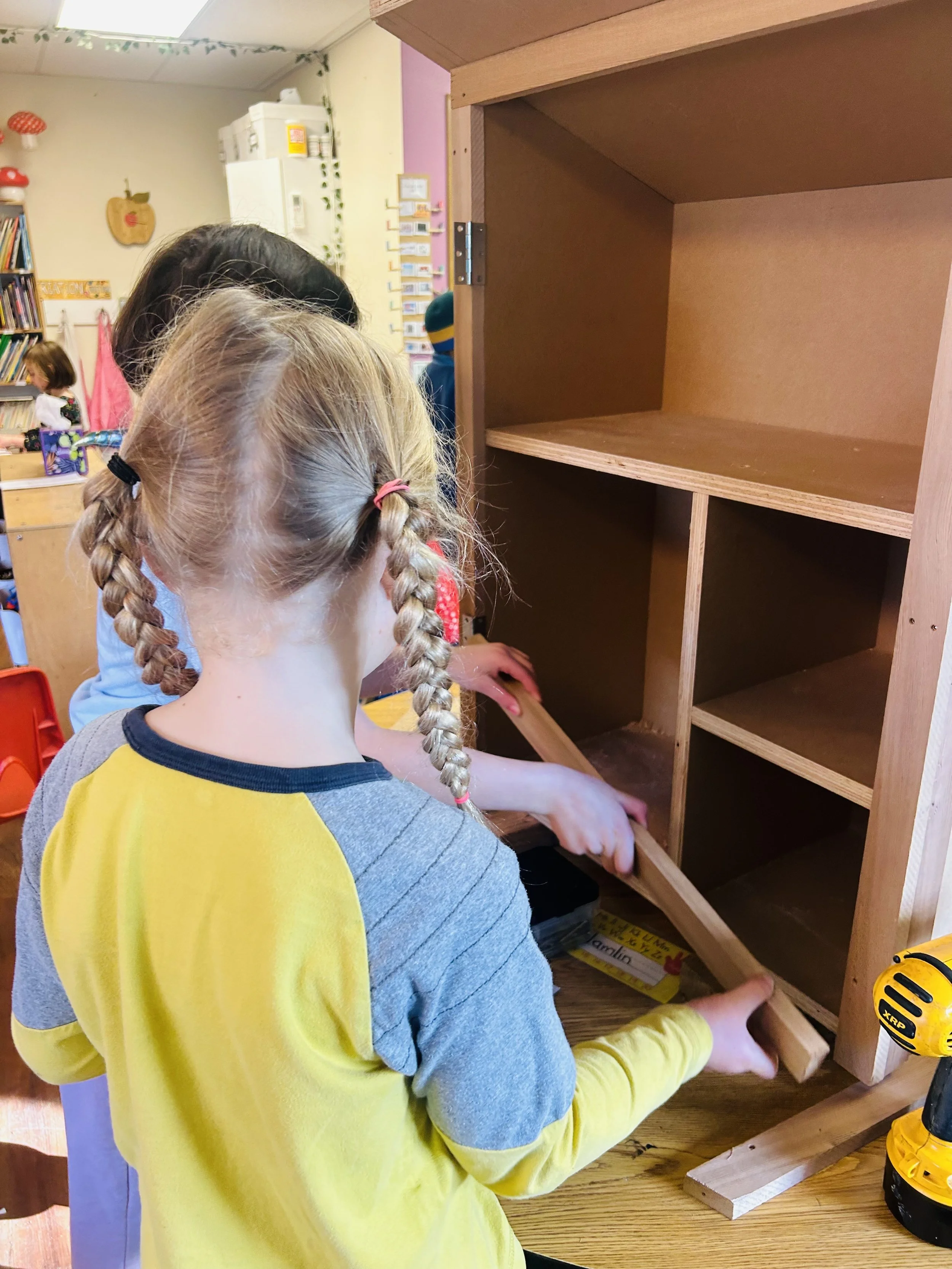
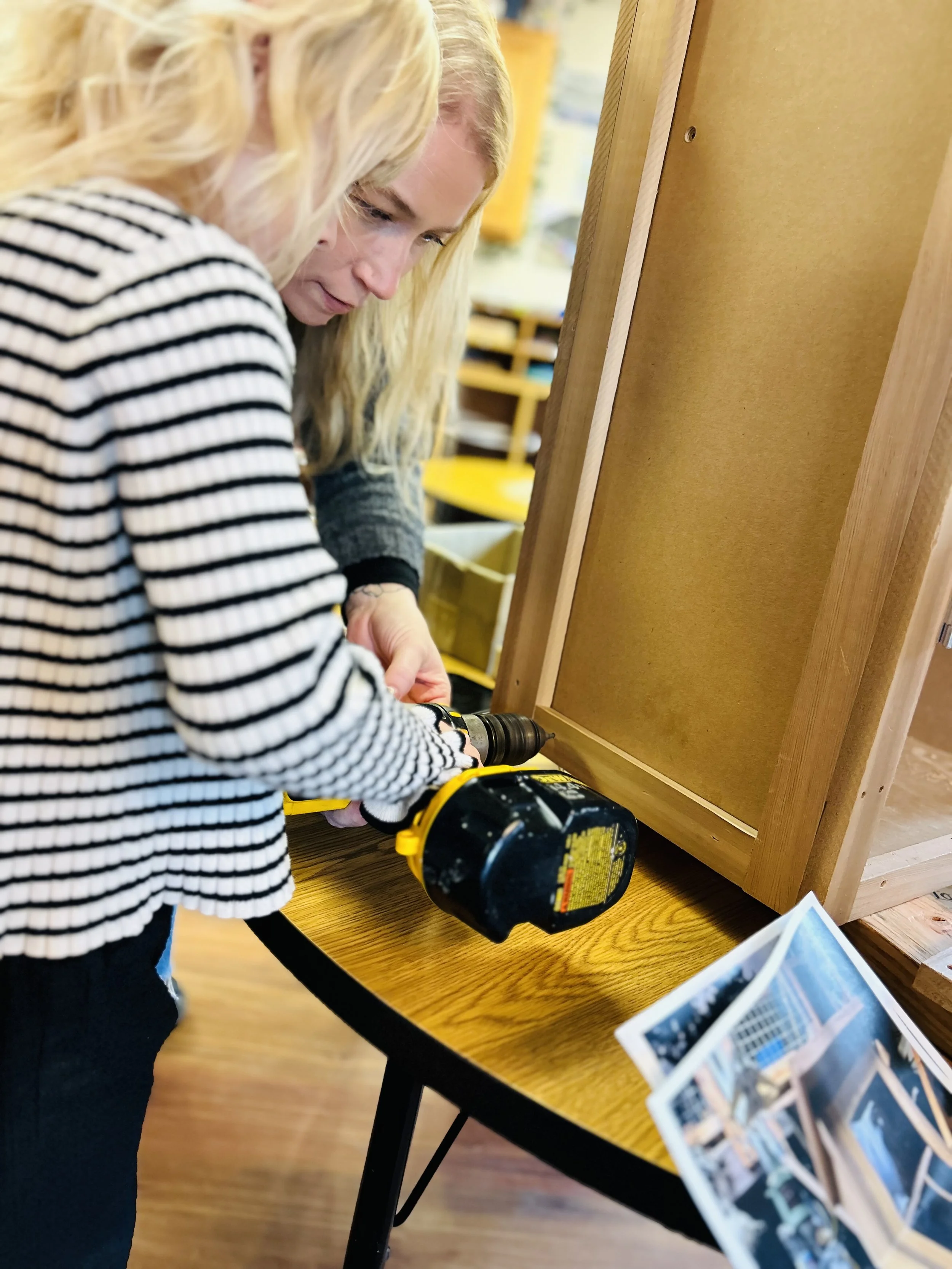
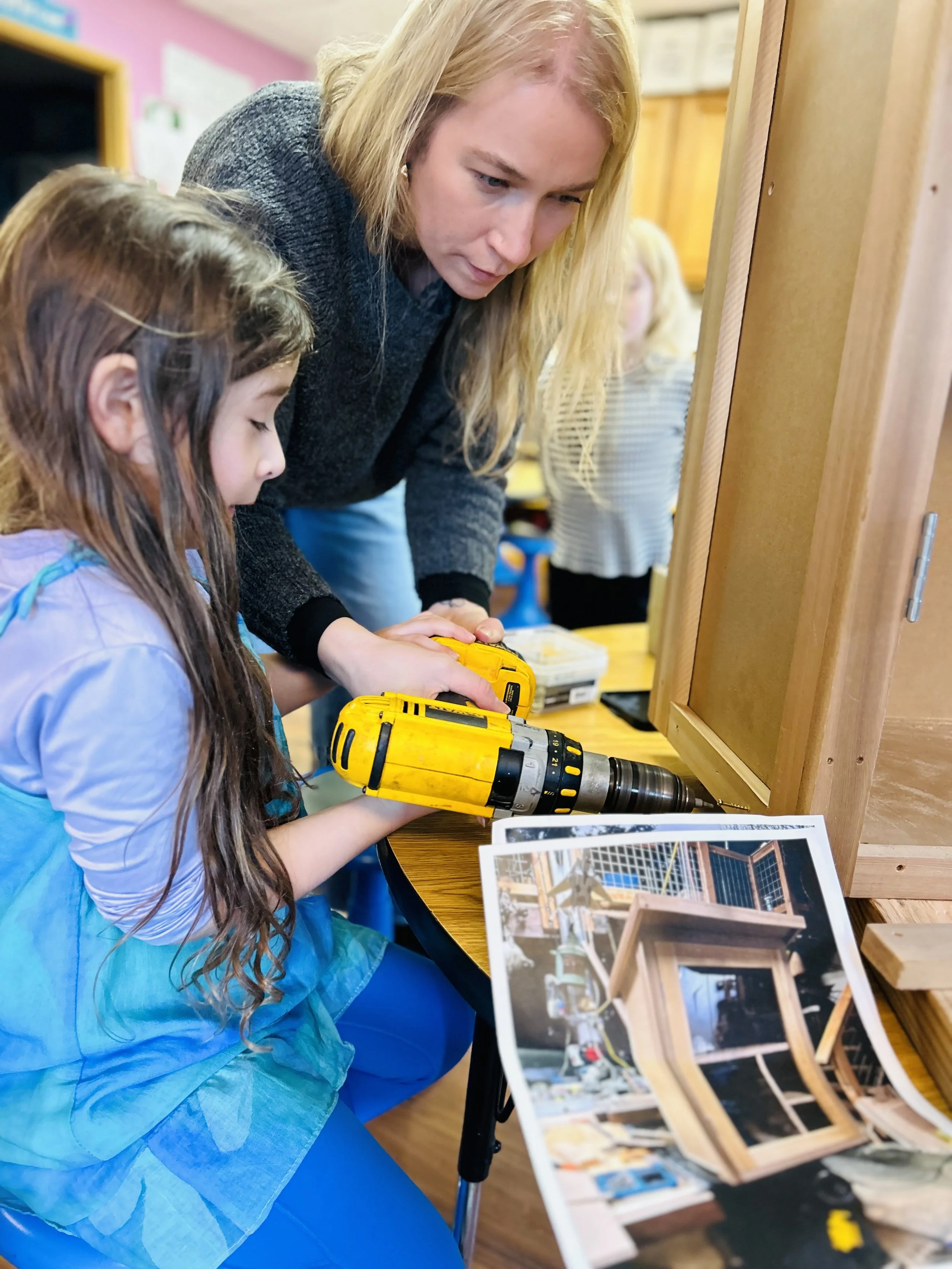
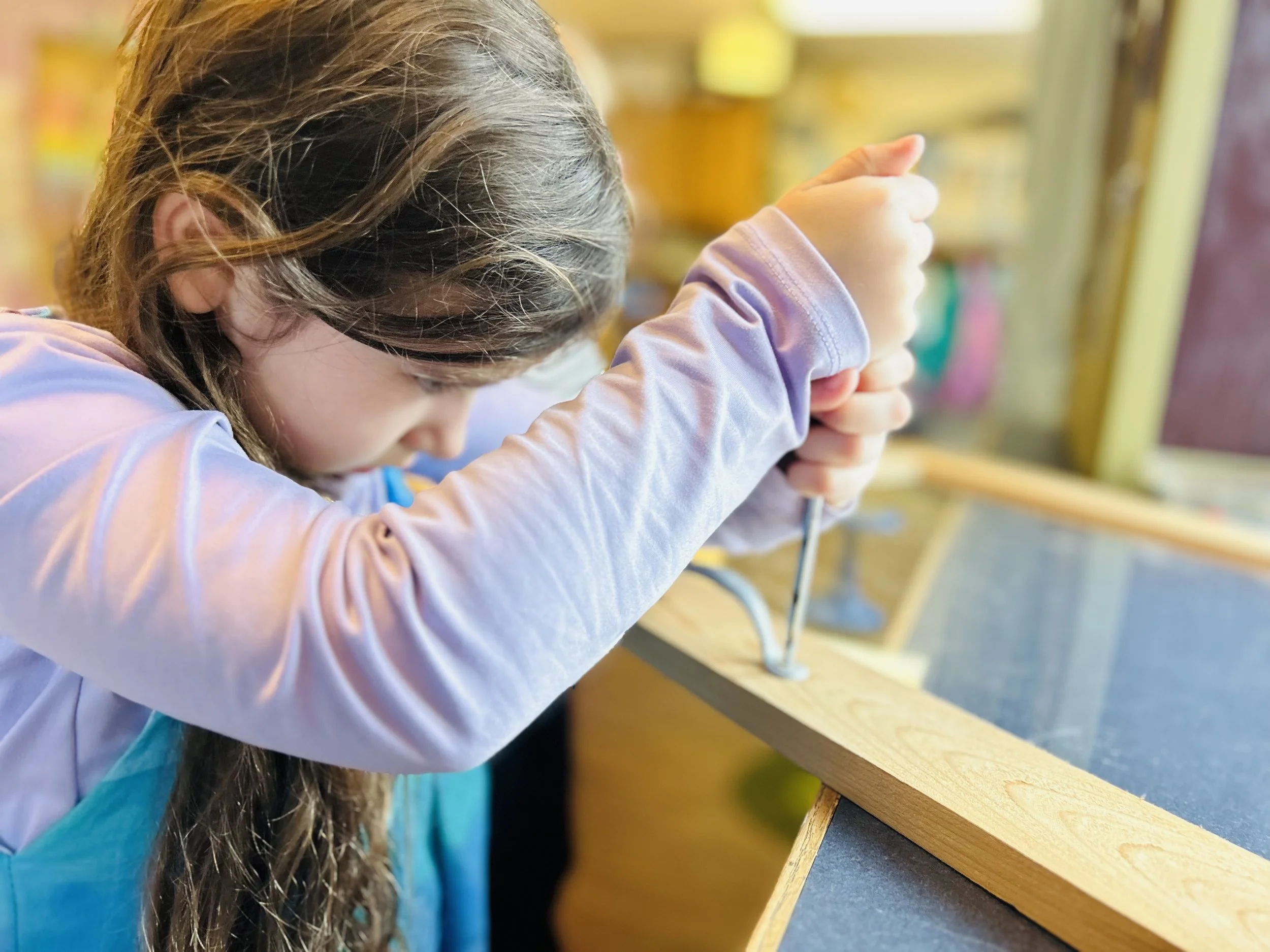
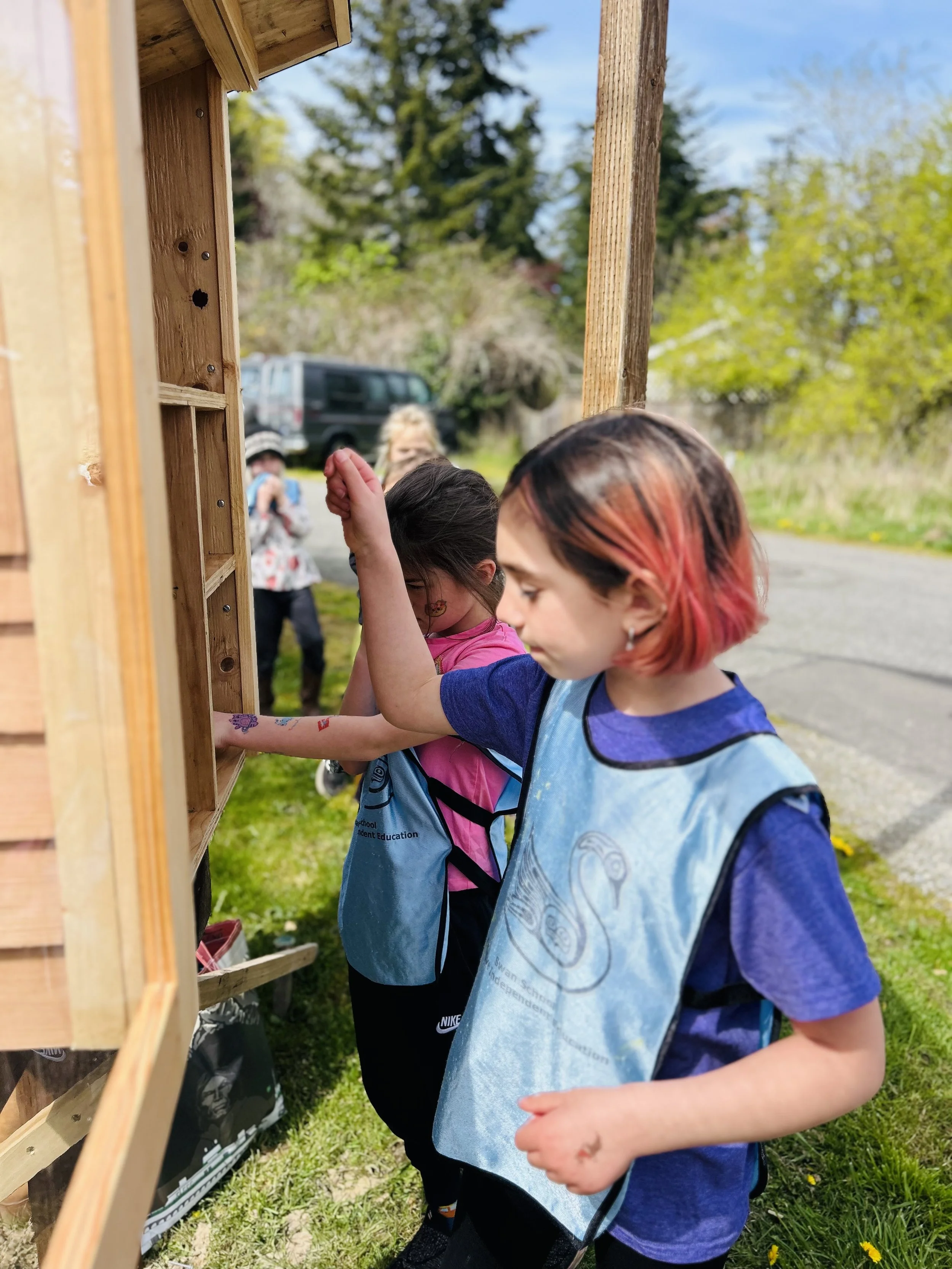
Students identified 10 new locations in Port Townsend that filled gaps in our town’s pantry network. We spoke with neighbors and community members interested in hosting a pantry on their property, along with neighborhood teams ready to keep them stocked and maintained. Dedicated builder volunteers worked alongside us, following the template and using provided materials to bring these pantries to life. Local woodworker and builder, Mateo Marquez, served as our construction lead- creating pantry kits and installing each pantry on site, dedicating many weekends of labor and lending his time and expertise to bring this community project to life.
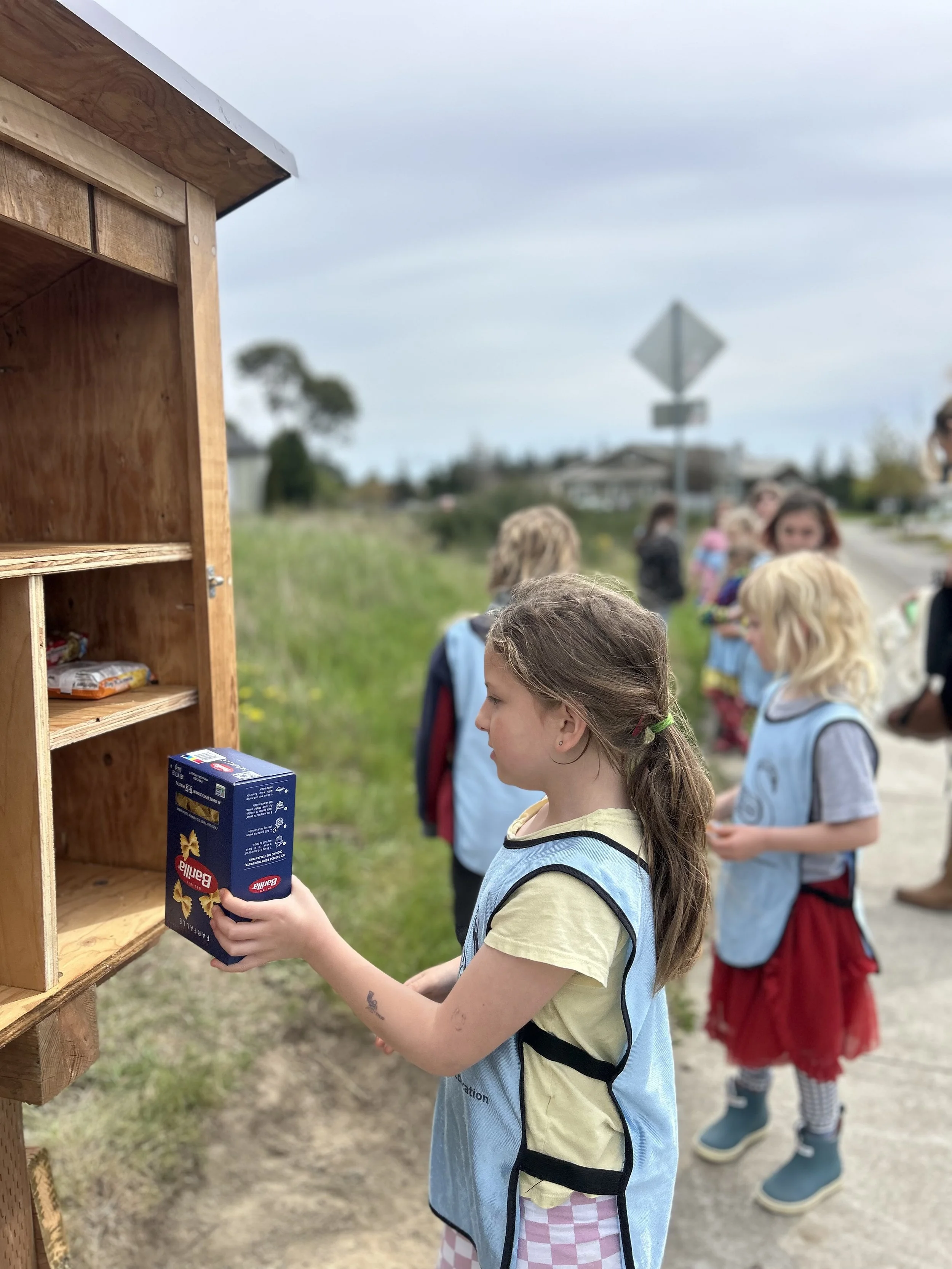
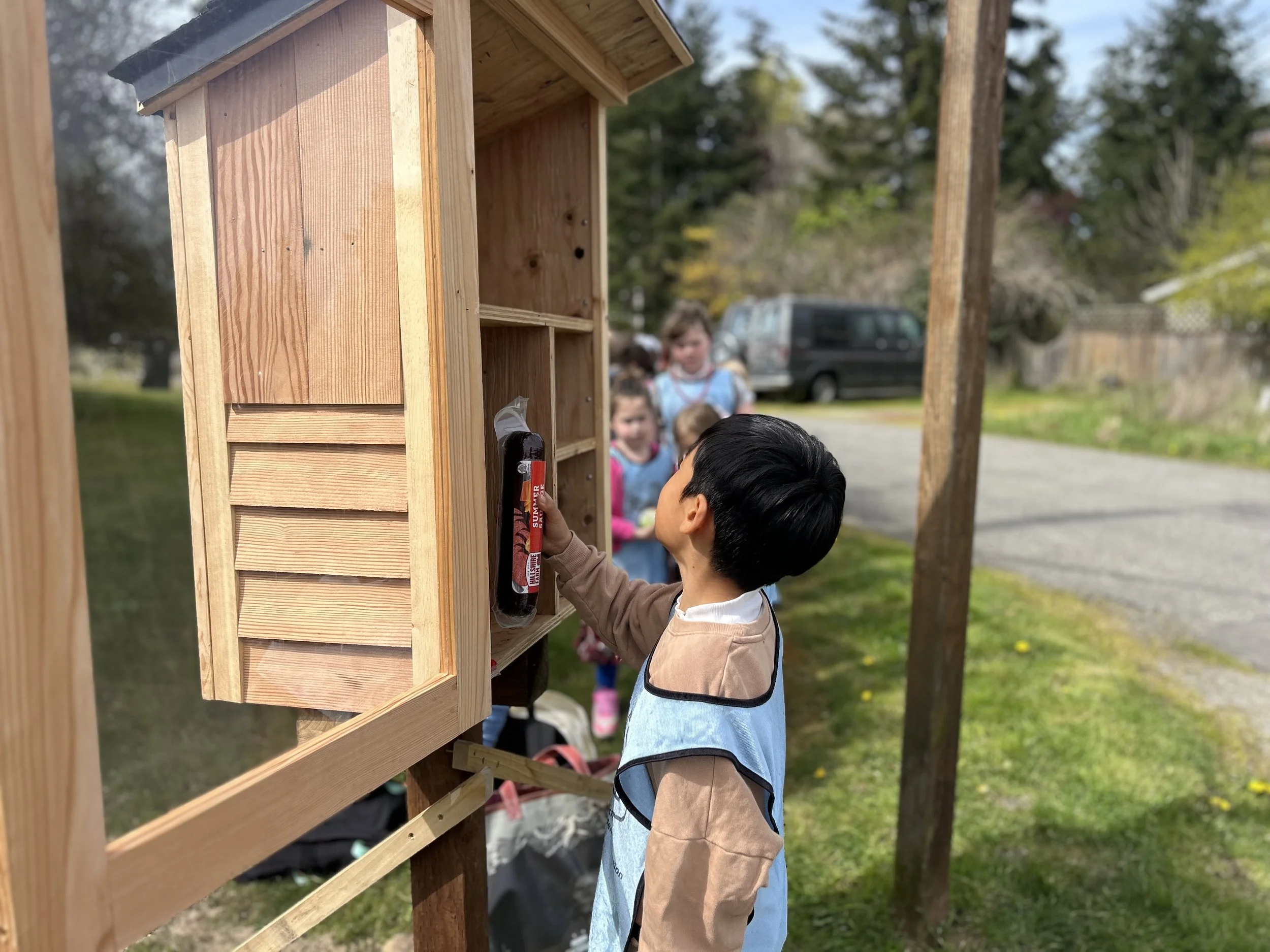
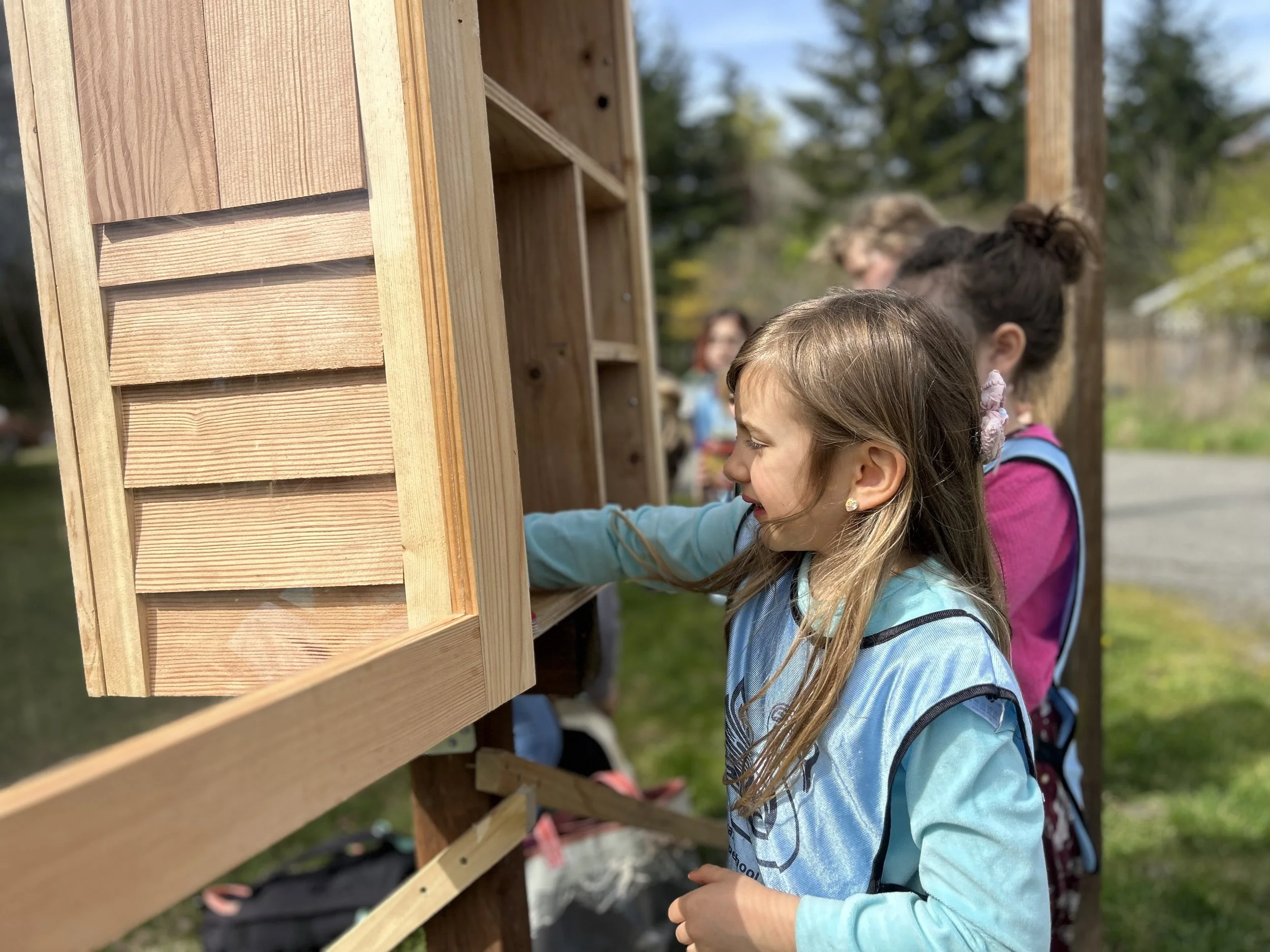
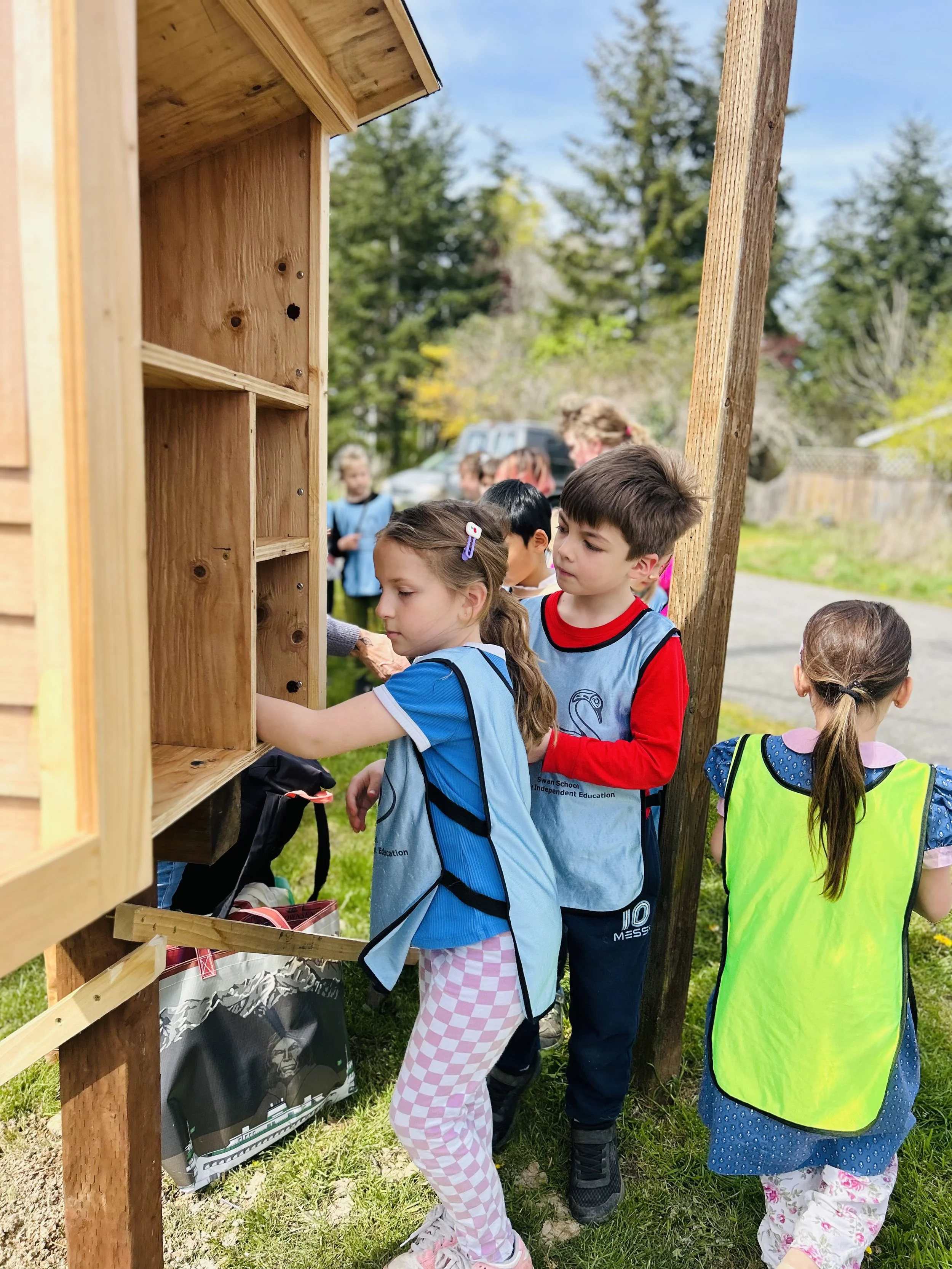
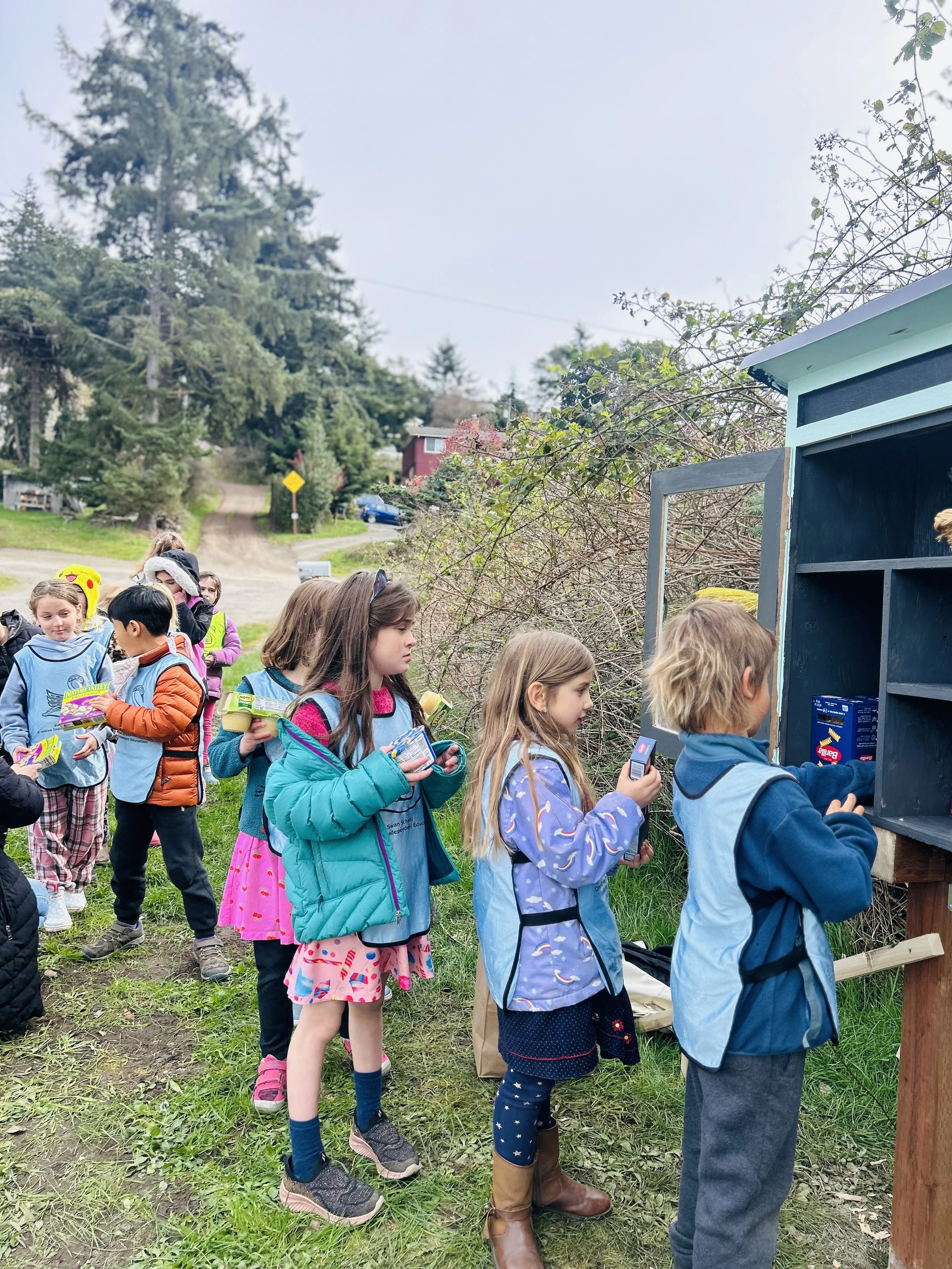
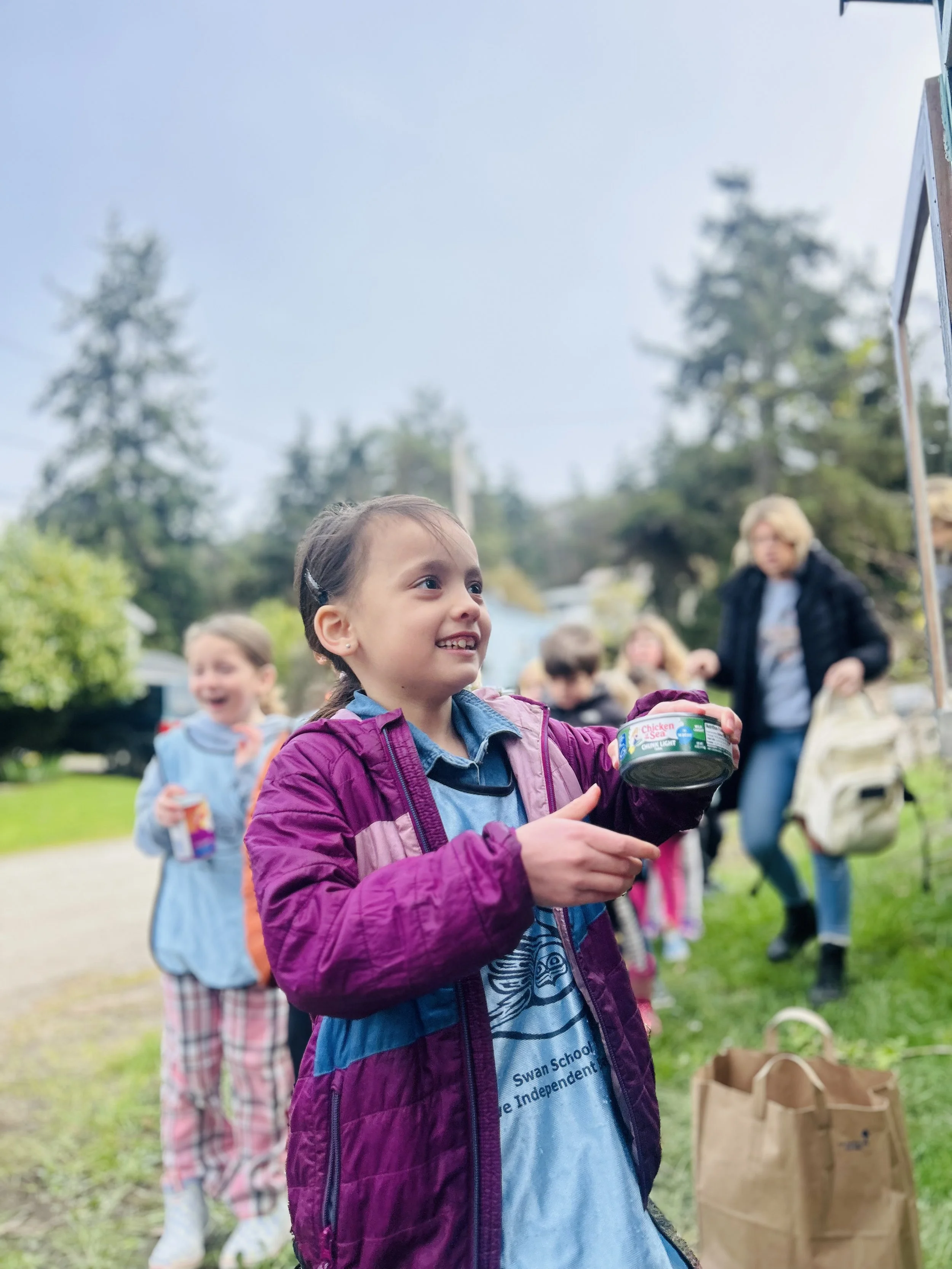
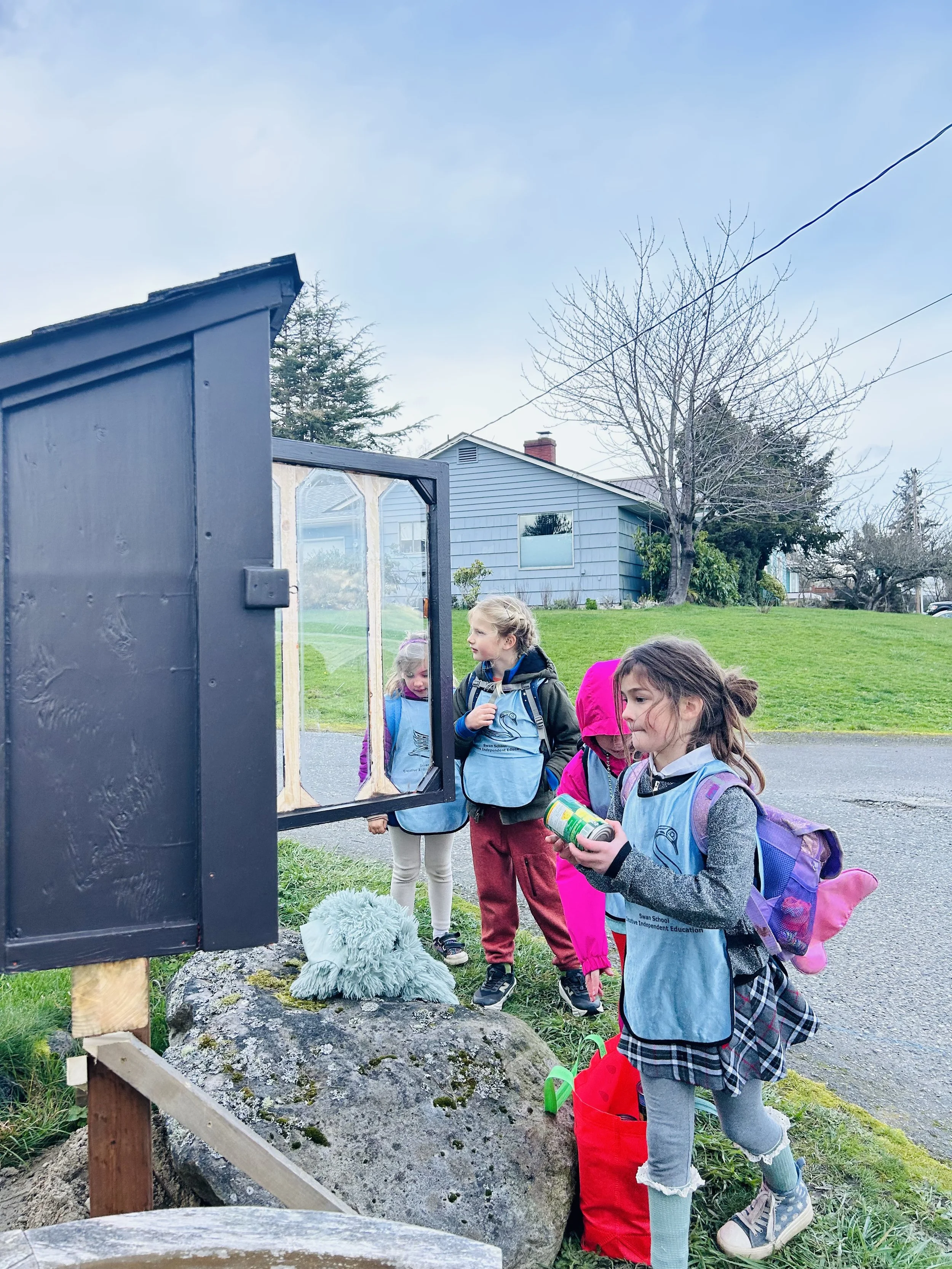
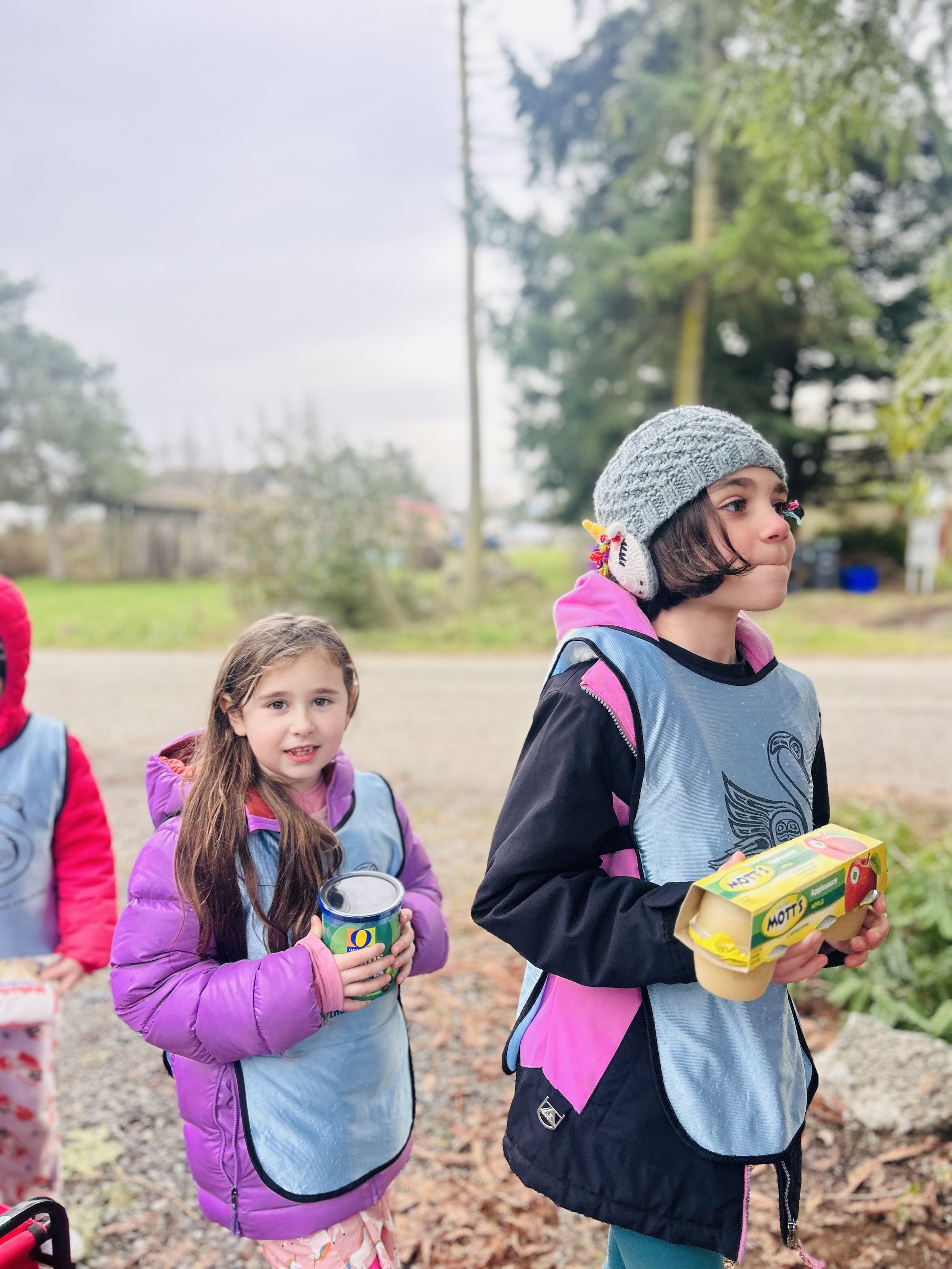
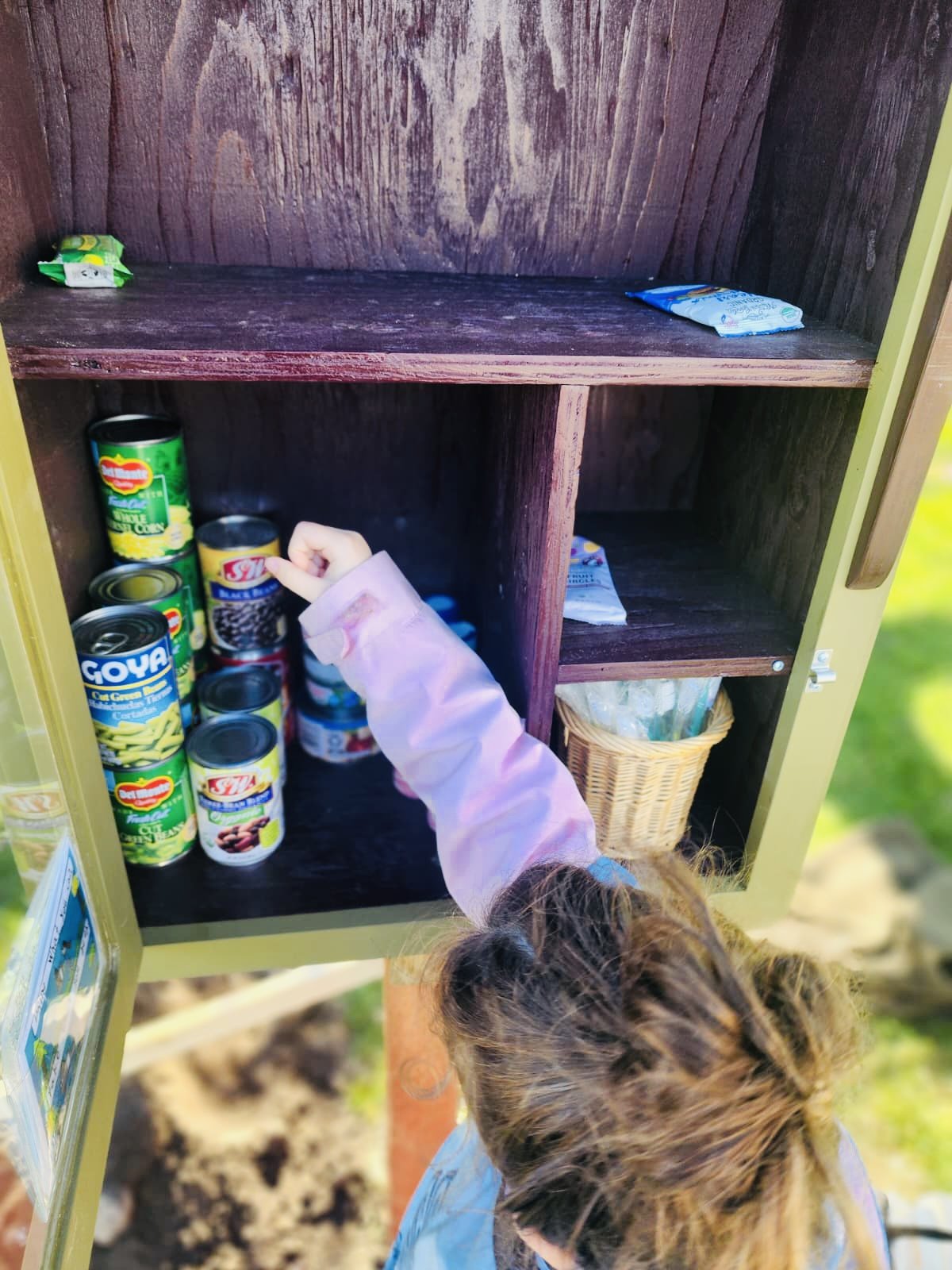
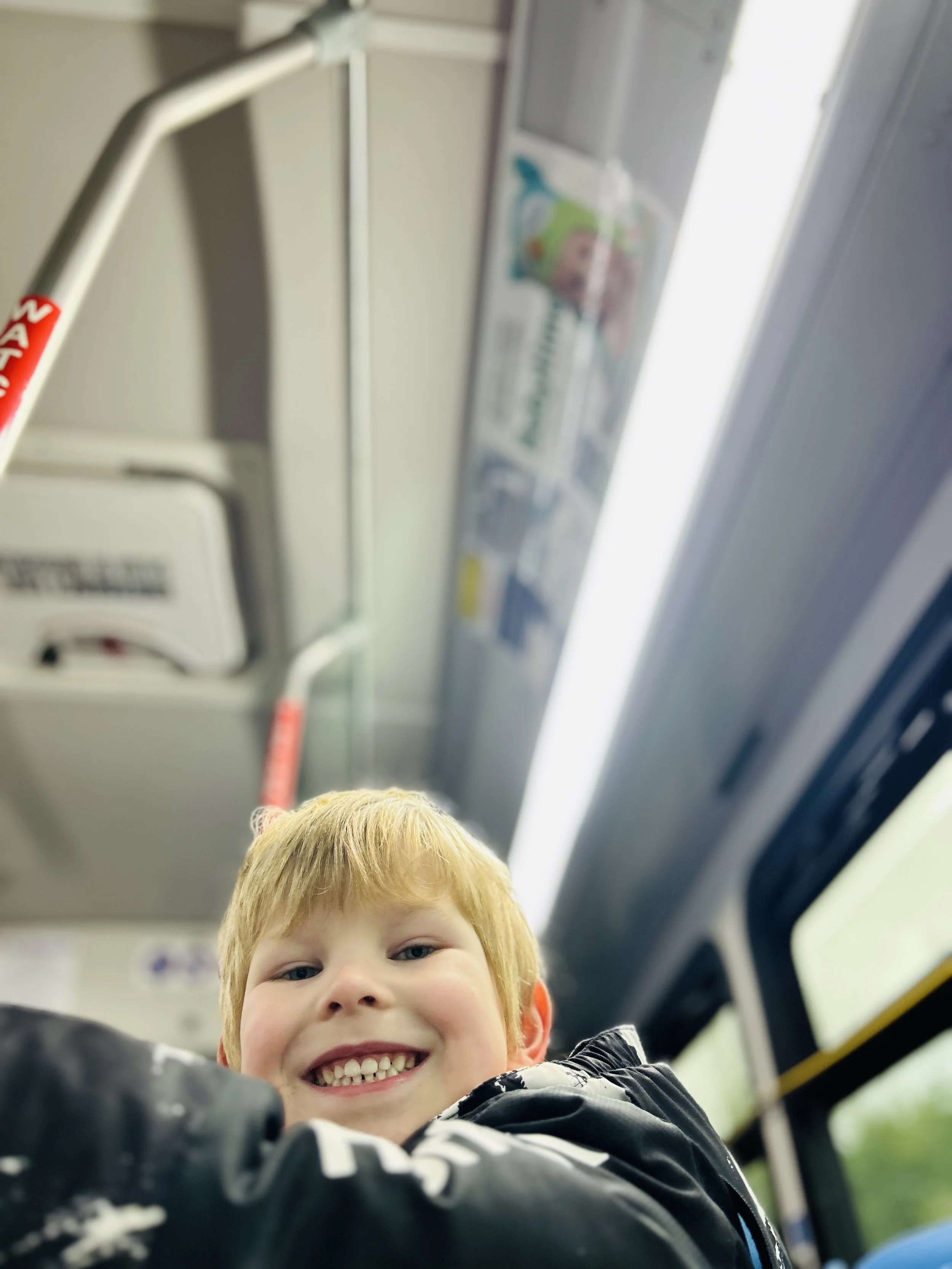
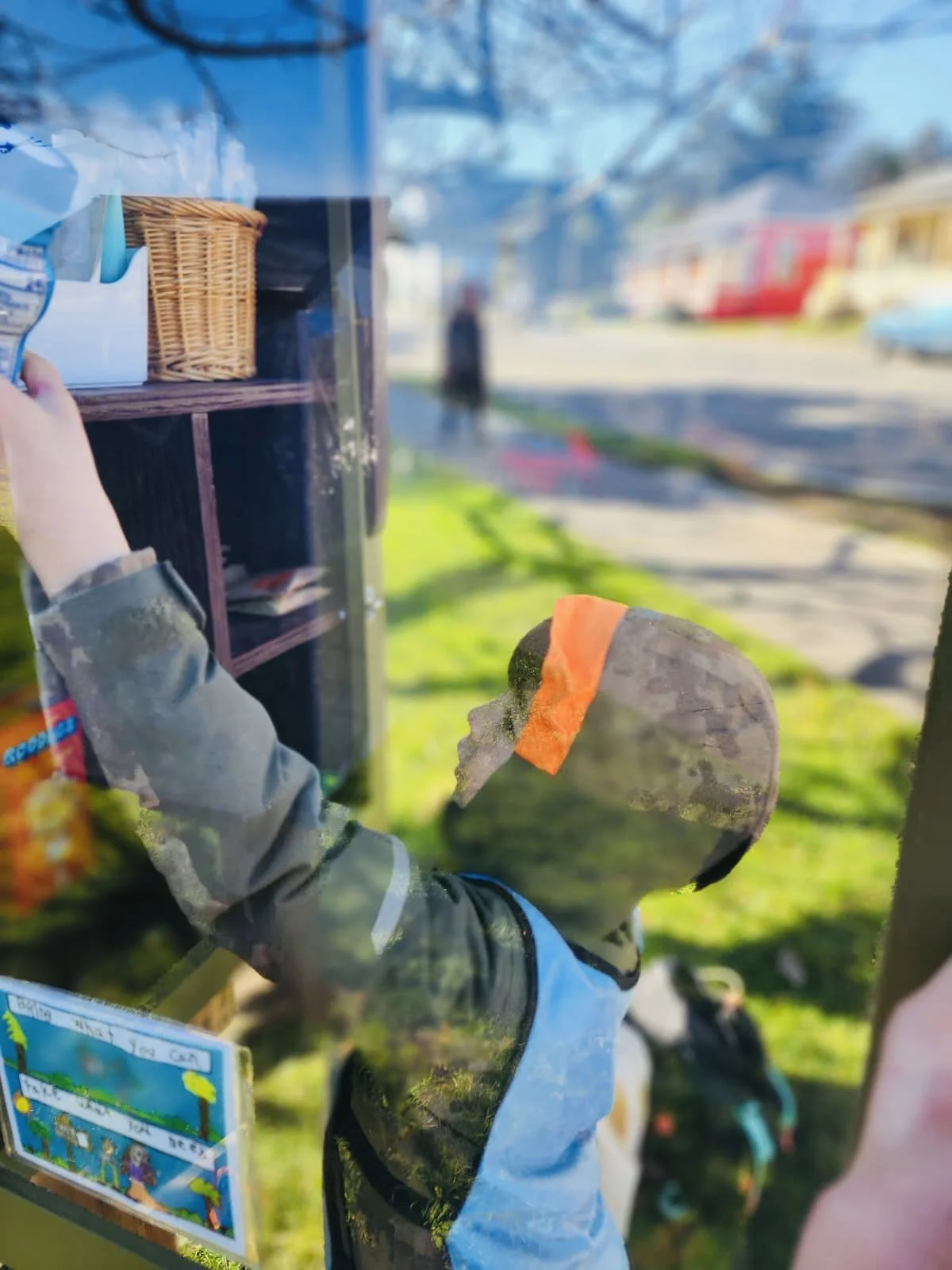
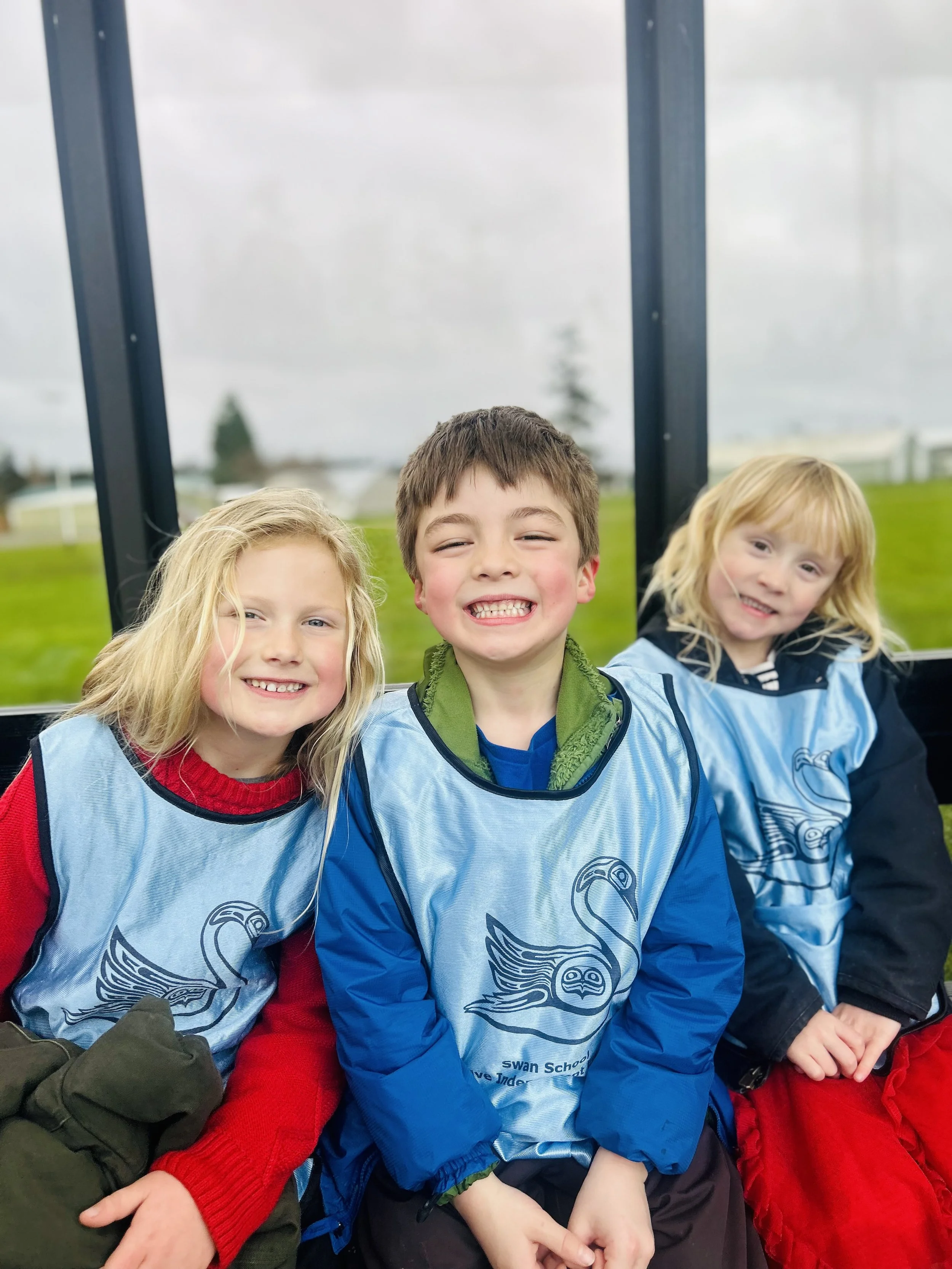
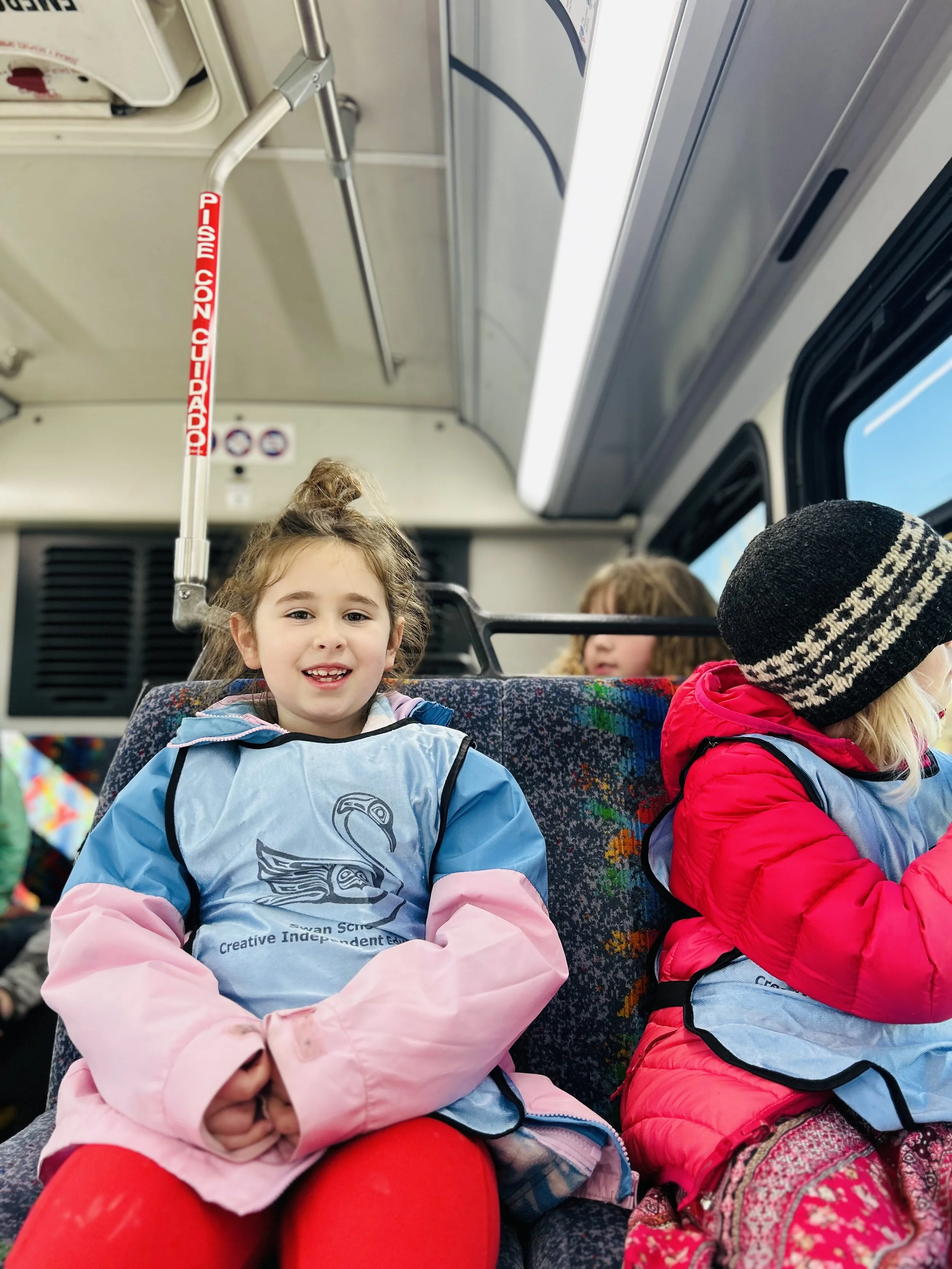
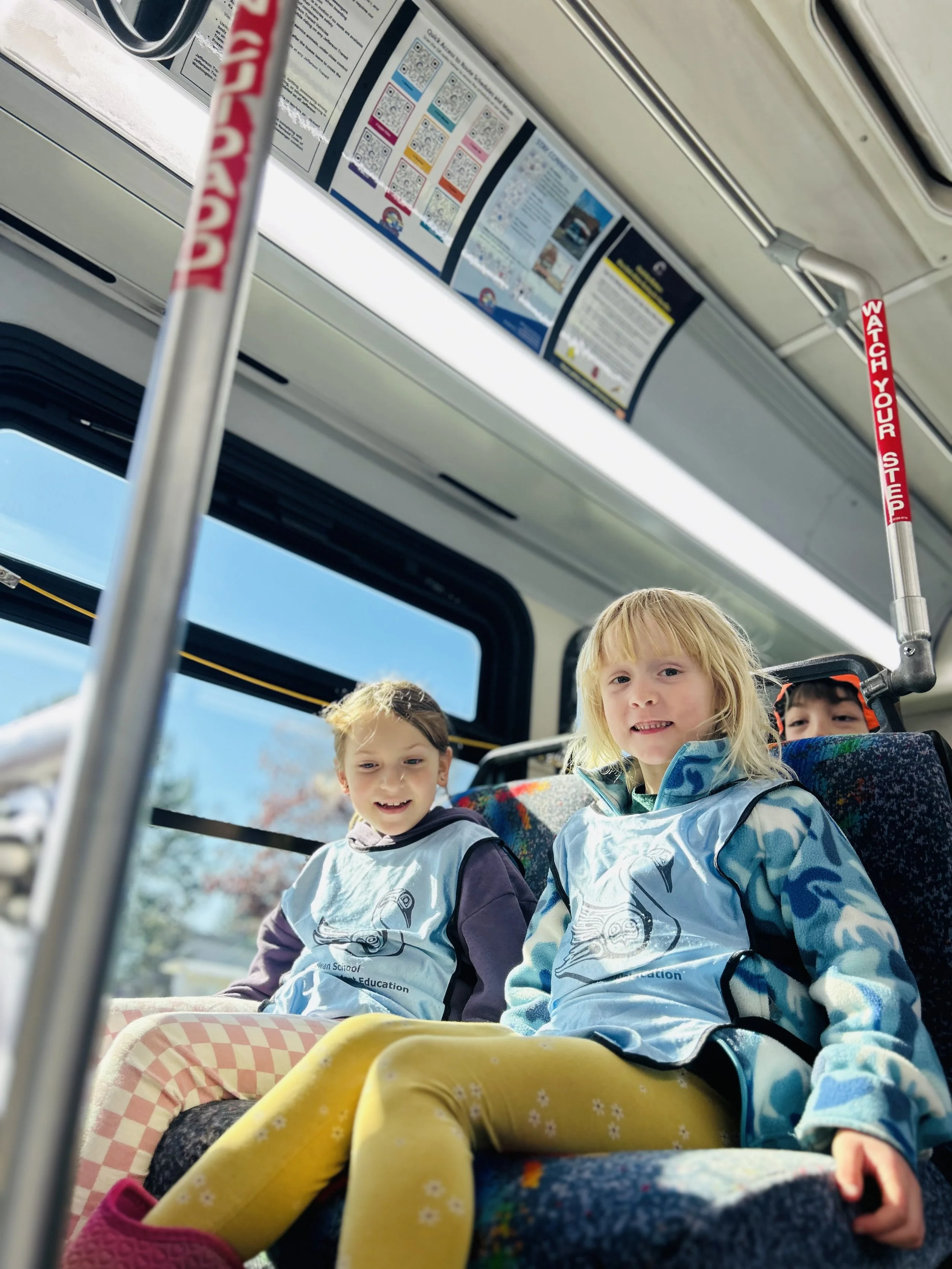
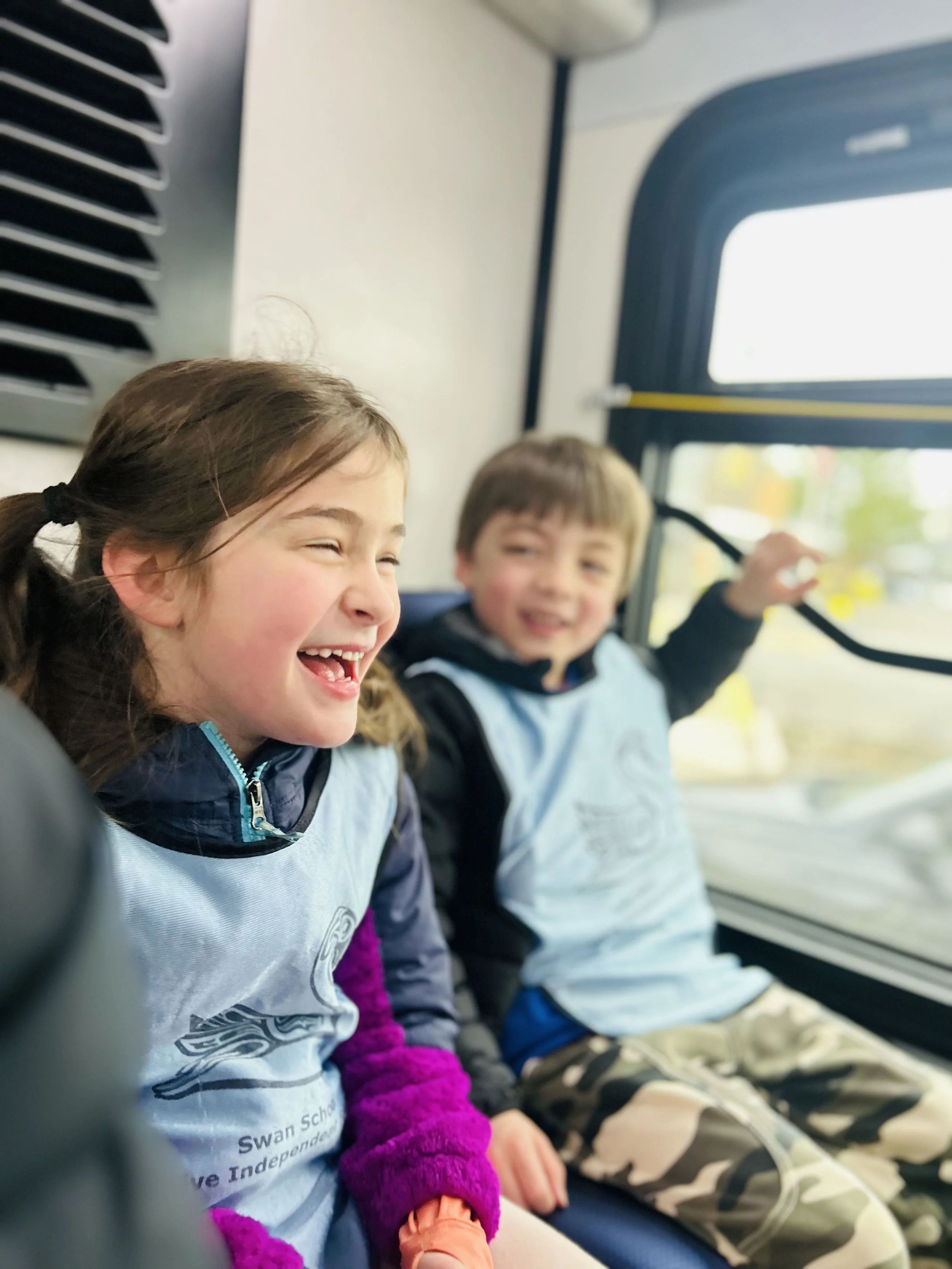
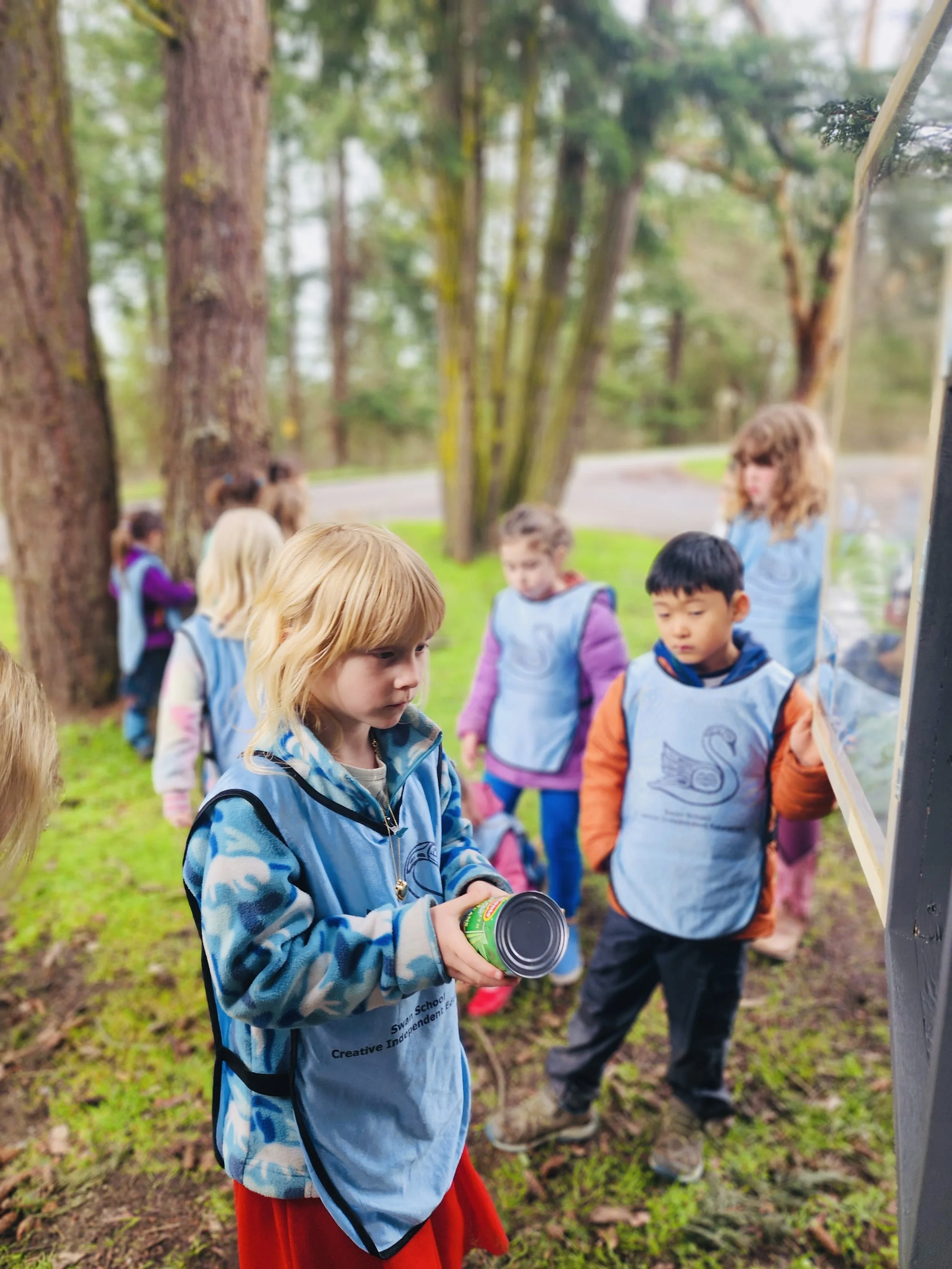
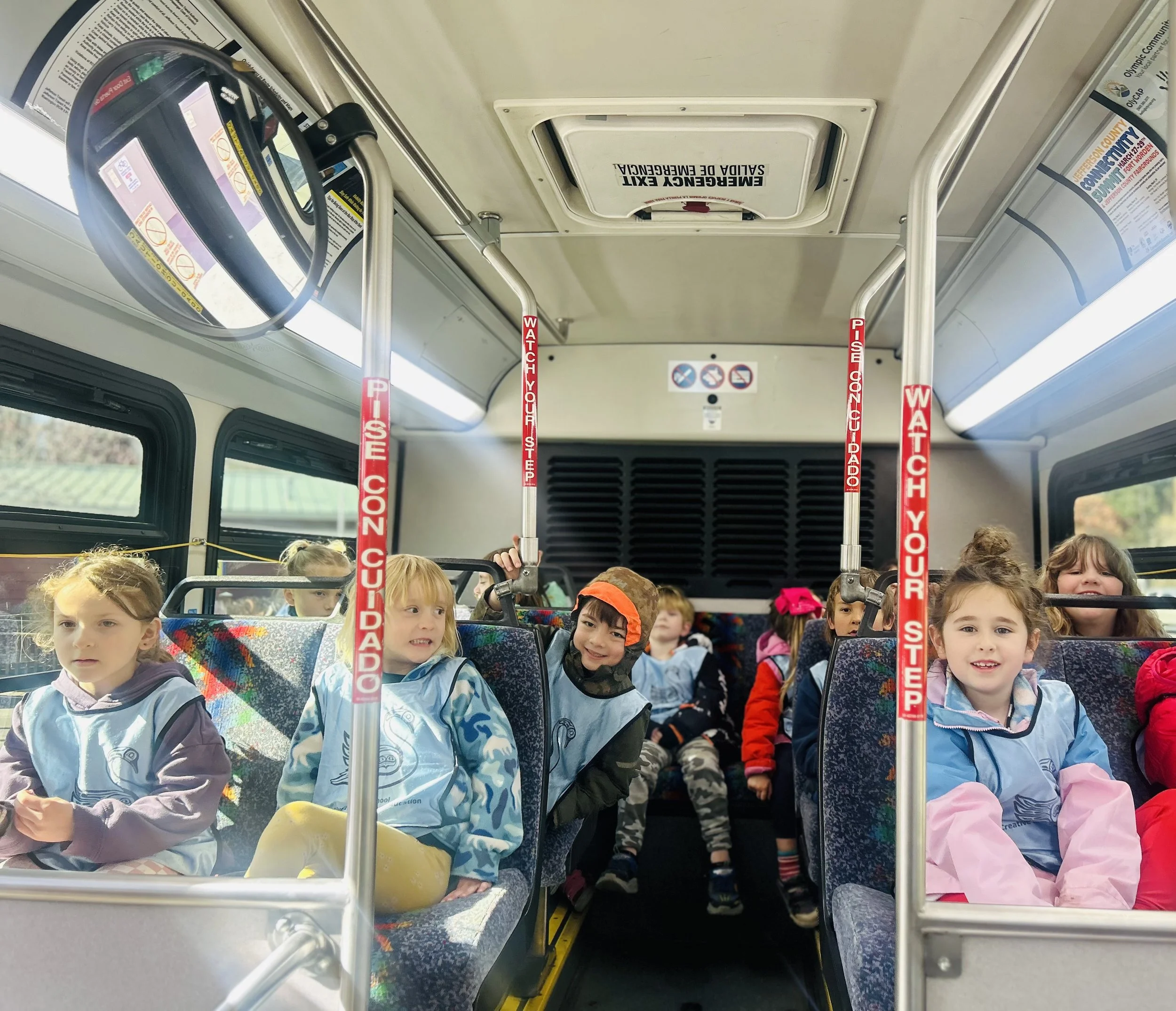
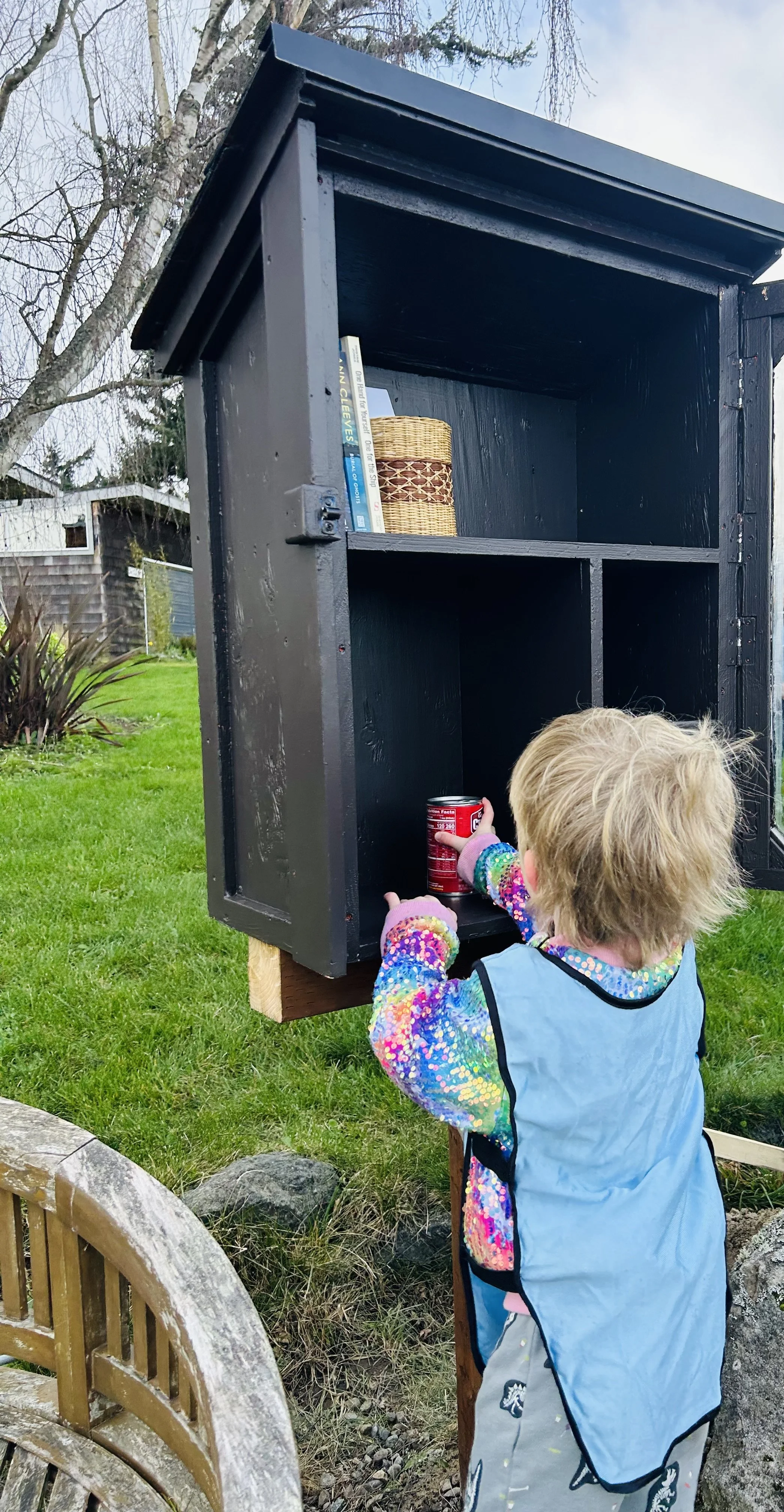
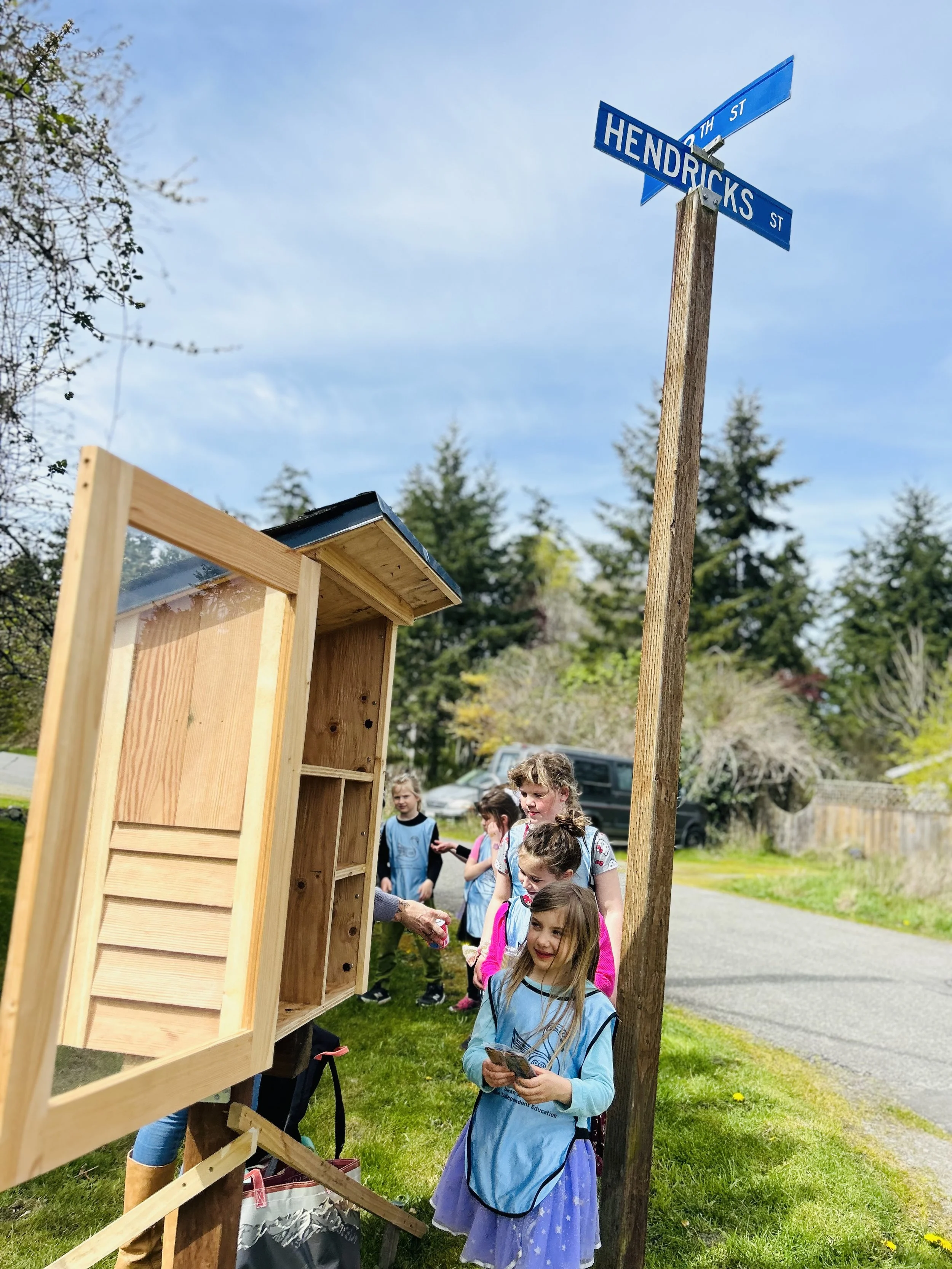
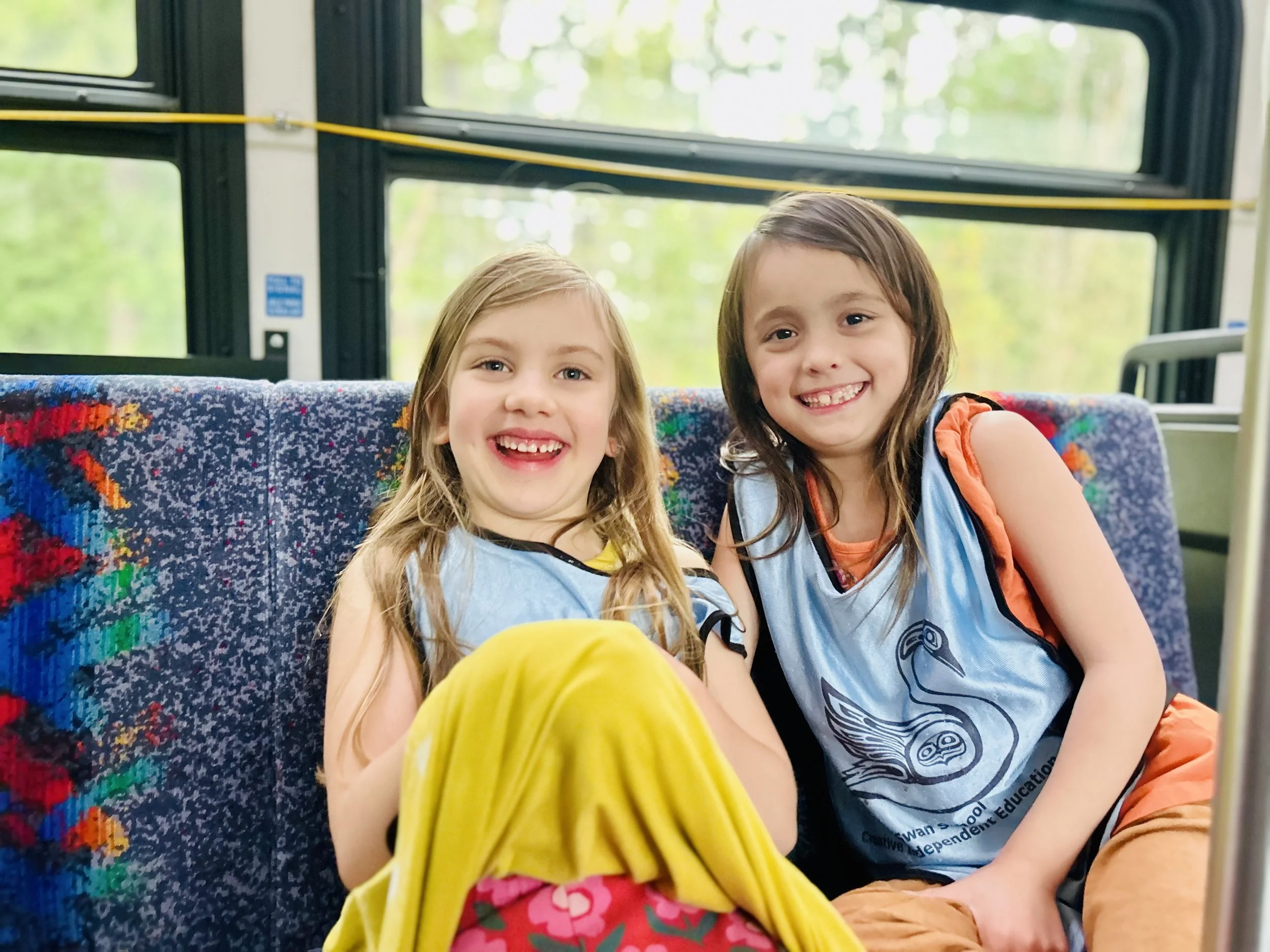
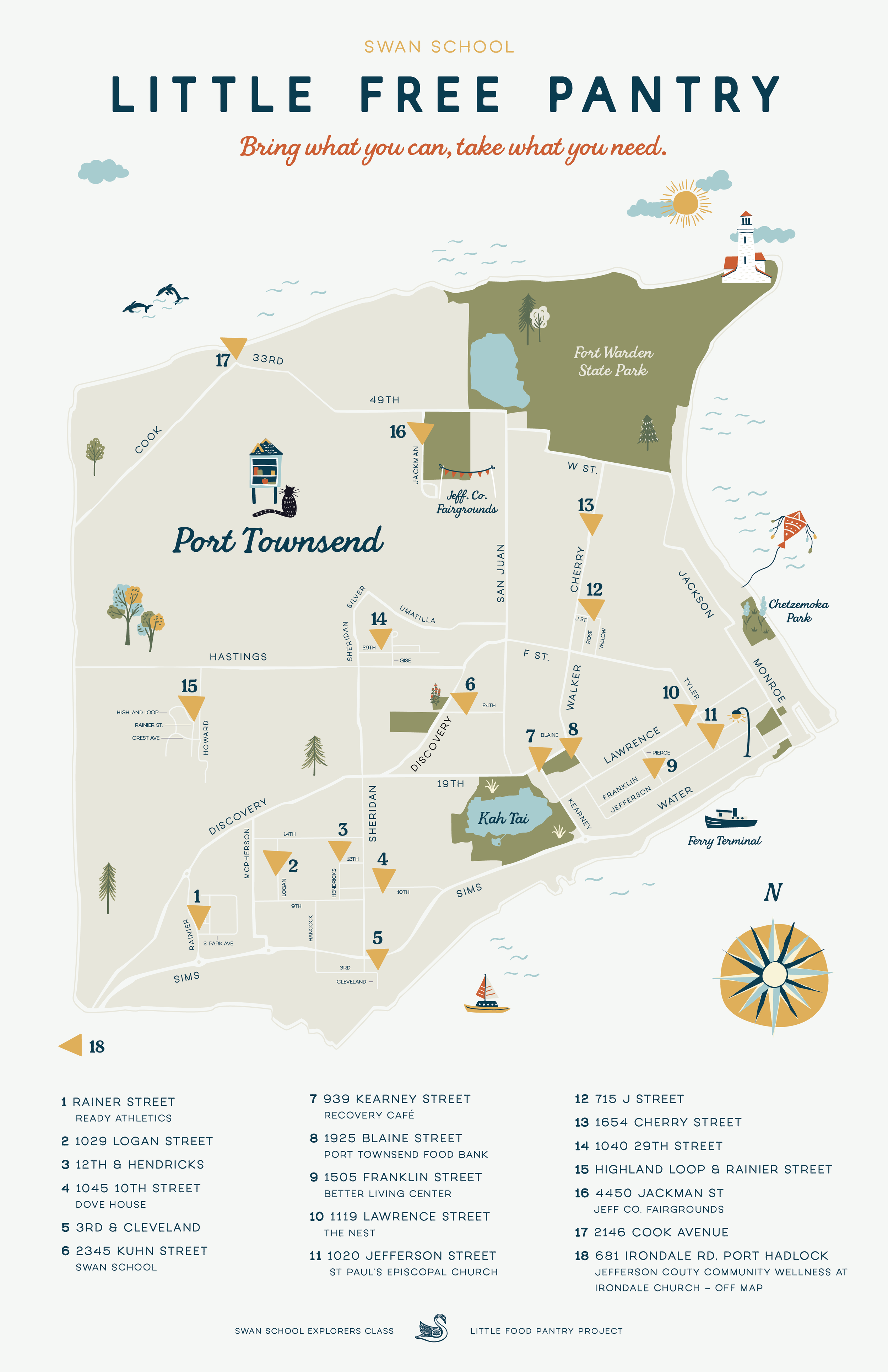
This was a massive effort supported by many helping hands and became an incredible project that connected multiple parts of our community. Students completed their ninth pantry opening while using Jefferson Transit as their primary mode of transportation, mapping routes to each location to stock pantries with food and toiletry items and officially open them to the community. Our final installation will be on our very own Swan School campus to replace the frequently used and run down Little Food Pantry on our campus. Once we have installed all 11 new Little Food Pantries across Port Townsend, we will publish a map accessible for anyone in our community who is looking for resources.
Why This Matters:
Little Food Pantries provide immediate, stigma-free access to food and essential items—available 24/7, right within neighborhoods. As more people in our community experience economic challenges and rising costs of living, these accessible resources become even more vital. Port Townsend is home to many different socioeconomic backgrounds, all coexisting within the same beautiful landscapes we share. The Little Food Pantry project creates a simple, meaningful way for neighbors across these varied experiences to support one another. By encouraging people to contribute what they can- whether by stocking a pantry or sharing items they no longer need- the project helps nurture connection, awareness, and a spirit of mutual care within our community.
Connecting our curriculum to our community:
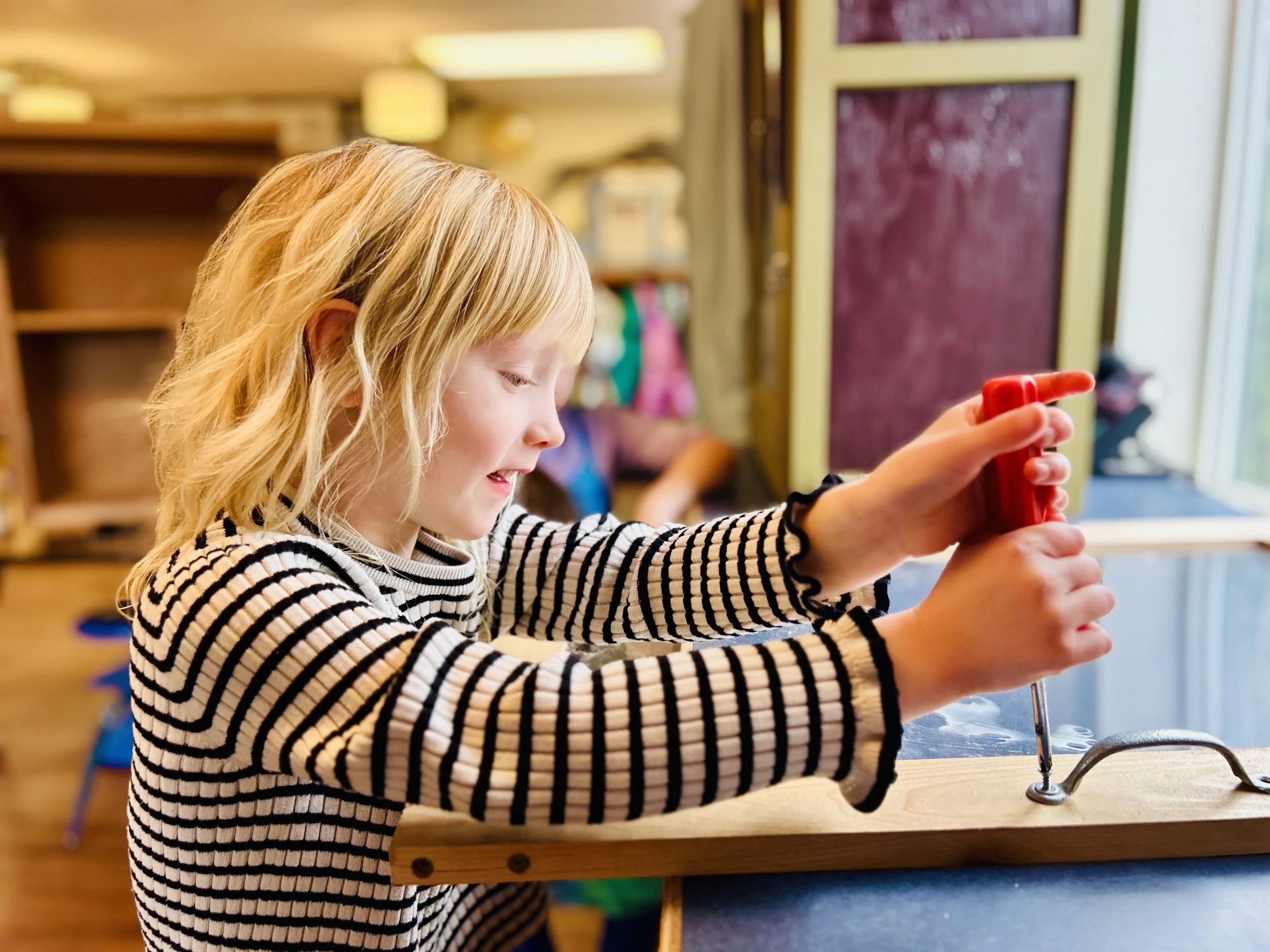
This project is a prime example of why project-based learning is incredibly valuable and meaningful, giving students the chance to connect their academic work with real community needs. This type of work gives students the opportunity to engage in real-world problem solving, learn about civic responsibility and see firsthand that their ideas can create meaningful and lasting change. Throughout this project, we developed a deeper understanding of food insecurity, compassion, and effective communication through letter writing, newspaper contributions, and radio programming. We also built practical skills related to Jefferson Transit, including reading schedules, understanding routes, and applying time-telling in real-world contexts. In addition, we fostered community engagement and awareness while gaining experience in fundraising and collaborative teamwork.
Students created opportunities to connect our neighbors with access to basic needs. This work reinforced the understanding that meaningful change begins with small, intentional actions. Through sustained effort, motivation, and community connection, students learned that impactful ideas can become reality.
Community
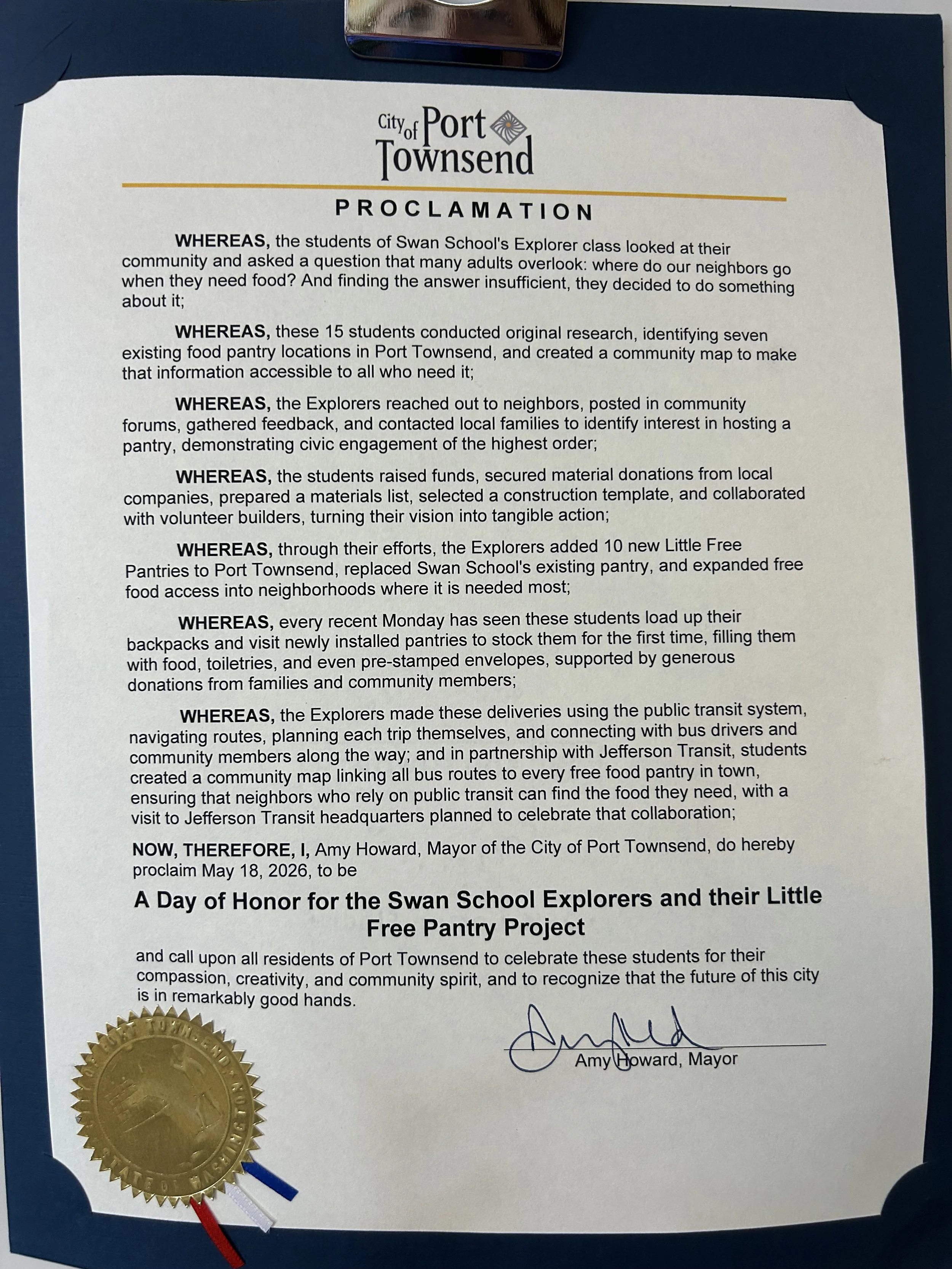
Students attended a City Hall Meeting and received this Proclamation from Mayor Amy Howard
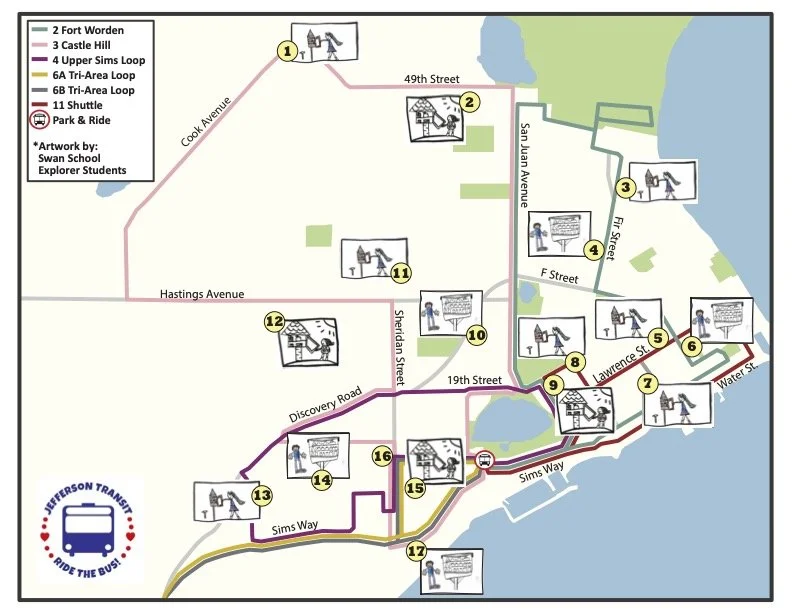
In collaboration with Jefferson County Transit